
Argentina: 20 Places Travelers Keep Returning To
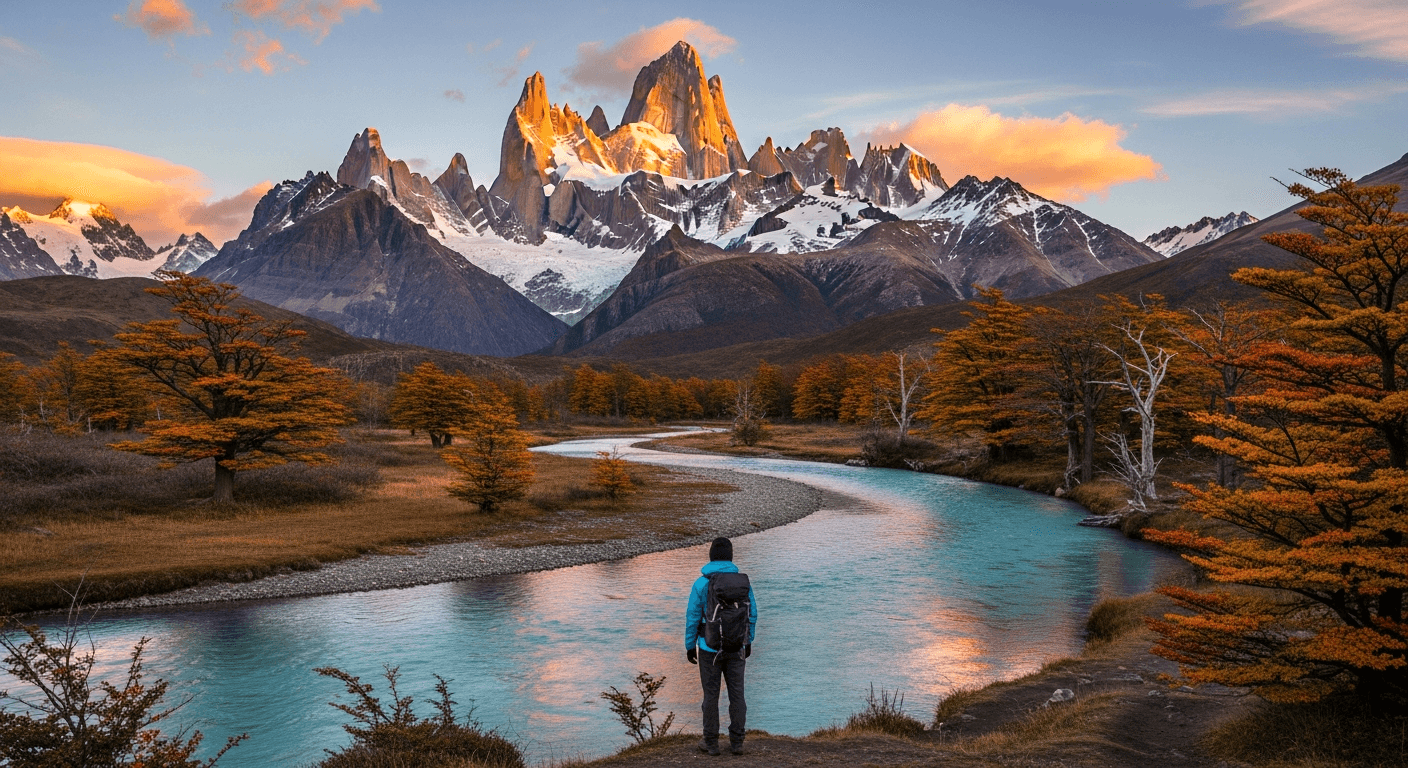
Argentina: Why Travelers Keep Coming Back to These 20 Places
There's something about Argentina that rewires the way travelers think about return journeys. It's not just the tango or the wine or the endless horizons—though these certainly matter. It's the peculiar alchemy of a country that feels simultaneously cosmopolitan and intimate, dramatic yet unhurried. Buenos Aires pulls you in with her contradictions; Patagonia humbles you with silence; the wine regions seduce you into staying longer than planned. People come back not because they've finished exploring, but because they've started understanding. And that understanding keeps deepening.
Argentina has a way of creating unfinished business. You leave thinking you've seen the best—the glaciers, the steaks, the autumn light on colonial plazas—only to realize months later that what you're actually missing is the feeling of being present in a place where time moves differently. Where a café conversation can stretch into afternoon. Where the landscape doesn't perform for you; it simply exists, and you're welcome to exist within it.
This is why seasoned travelers return. Not for the checkboxes, but for the small recognitions that come from knowing a place's texture.
The Essential Returns
1. Buenos Aires: San Telmo's Cobblestone Sundays
The first visit, you'll chase tango shows and famous steakhouses. The return, you'll find yourself on Calle Defensa on a Sunday, moving through the antique market like someone who has time. San Telmo is where Buenos Aires remembers being a colonial port city before it became a capital. The buildings here—peeling facades in salmon and mustard—hold stories that refuse to be polished away.
What makes it worth returning is the rhythm. Sunday mornings smell like fresh medialunas from corner panaderías. Street musicians play for themselves more than for coins. There's an authenticity here that doesn't perform. The neighborhood becomes itself only when tourists thin out—early morning or twilight hours when locals reclaim their plazas.
Best time: April to June, or September to November. The weather cooperates, and the city hasn't yet collapsed under summer heat.
An insider observation: The real bar conversations happen on side streets, not in the obvious tourist establishments. Walk into a corner bar at 6 p.m. and order a vermut. You'll understand something about how porteños live.
For photography: The light during golden hour bathes the colonial buildings in amber. Shoot from street level looking up at the facades—the foreground chaos of the market against the silence of old architecture.
Practical: Wear comfortable shoes and bring cash. Many antique vendors don't take cards. The market runs Sunday morning; don't arrive later than 10 a.m. if you want the best light and least crowds.
2. Mendoza Wine Region: Sunrise Among the Vines
Most wine tourists arrive in Mendoza expecting a polished experience. What they find instead is something more genuine: a working region where wine happens to be the medium through which humans express their relationship with earth.
Return visitors skip the large bodegas and spend mornings cycling through family vineyards, having coffee with winemakers who don't do the rehearsed tour. The terroir here is distinctive—high altitude, desert-adjacent, with Andes light that makes everything look more vivid than it should be.
Best time: March and April, during harvest. You're not observing wine-making; you're witnessing it.
Insider observation: The best tastings happen in small, unmarked bodegas where the owner's family actually lives. Ask locals for recommendations rather than following guidebooks. The conversation will matter more than the wine, though the wine will be exceptional.
Photography moment: Pre-dawn light on the vines with the Andes as backdrop. Bring a cable release if you have one.
Practical tip: Hire a driver or join organized tours for wine days—the region takes drunk driving seriously, and the roads wind considerably.
3. Bariloche: Patagonian Lakes in Silence
Bariloche gets crowded, yes. But travel here in shoulder season—early spring or late autumn—and you'll understand why people come back. The lakes here aren't dramatic like fjords; they're introspective. They reflect the Andes, but they do so quietly, almost reluctantly.
Staying in Bariloche means access to trails that open into silence so complete it becomes almost tangible. Circuito Chico, a driving loop through the lake region, becomes meditative when you're not sharing the road with tour buses.
Best time: November, or March to April. The weather's uncertain—bring layers—but the light is superlative and solitude is nearly guaranteed.
Insider observation: Hotel Llao Llao is iconic but book a smaller lodge instead. The experience is more genuine, and you'll actually meet other travelers rather than just glance past them.
Photography: Shoot into the sun when it's low. Backlighting transforms ordinary water into something luminous.
Practical: Car rental is essential here. Roads are well-maintained, and the driving itself is the attraction. Service stations are sparse; fill up regularly.
4. Salta: Cobbled Time
Salta feels like a city that time politely knocked on but ultimately bypassed. The cathedral faces a plaza where people still take afternoon coffee with the casualness of those who have nowhere urgent to be. Colonial architecture surrounds you without being museumified—people live in these buildings, and their washing hangs between centuries.
Return visitors come for the surrounding valleys—Valles de Lerma, Tilcara—where the landscape becomes increasingly dramatic as you move north. But they stay in Salta for the quality of slowness that the city permits.
Best time: April to May, or September to November.
Insider observation: Dinner in Salta happens late—9 p.m. at the earliest. Adjust your clock accordingly. The nightlife is genuine and unpretentious; you'll find locals, not tourists, at most venues.
Photography moment: The cathedral at dawn, before the light gets harsh. The pink stone of the colonial buildings intensifies in early morning.
Practical: Spanish helps here more than in Buenos Aires. English is less common. ATMs are reliable but scattered—withdraw cash in the plaza's financial district.
5. Córdoba: The Forgotten Capital
Córdoba feels like the Argentina that most travelers overlook. It's Argentina's second-largest city, yet it maintains small-town rhythms. The Jesuit Quarter—Manzana Jesuítica—is UNESCO-listed but never feels touristed. Students from the university give the city intellectual energy without pretension.
What brings travelers back is the discovery that you don't need dramatic landscapes to feel expanded by travel. Sometimes a cobbled plaza, a baroque church, and the low hum of urban life is enough.
Best time: October to November, or March to April.
Insider observation: The craft beer scene here has quietly flourished. Local breweries offer something beyond the wine-dominated narrative of Argentine gastronomy.
Photography: The Jesuit compounds in golden afternoon light, or the night market (Paseo de las Artes) when the streets fill with street musicians and artists.
Practical: Córdoba is easily reached by bus from Buenos Aires (9 hours) or internal flights (2 hours). Public transport is excellent and cheap.
6. Iguazú Falls: Renewal Through Water
Iguazú dominates Argentina's natural tourism for a reason. Yes, the falls are immense—but what returns visitors seek isn't the confirmation that they're immense. They seek the specific feeling that enormous natural forces can inspire: a kind of personal realignment that happens when you're small in the face of something vast.
The experience shifts depending on weather. Misty mornings reveal the falls differently than clear afternoons. Each visit layers new impressions.
Best time: April to May, or August to October. Avoid December-January when humidity becomes oppressive and crowds peak.
Insider observation: Walk the lower circuit at dusk when light becomes amber and tourists have thinned. The falls transform. You'll feel less like a tourist and more like a witness.
Photography moment: Get soaked on the Garganta del Diablo trail. The mist-filtered light creates otherworldly tones. Protect your camera; waterproof bags are essential.
Practical: The falls are shared between Argentina and Brazil. The Argentine side offers closer, louder intimacy; the Brazilian side provides panoramic views. Ideally, see both. Entry fees are reasonable; bring water and sunscreen.
7. El Calafate: Ice's Architecture
Perito Moreno Glacier doesn't move dramatically—it calves perhaps once yearly—but being in its presence produces an understated sublimity. The glacier is a monument to deep time, and standing before it recalibrates your sense of duration.
Return visitors often skip the glacier tours and instead walk independently to various viewpoints, moving at their own pace, returning to the same vista multiple times as light changes.
Best time: December to February offers long days; November and March offer less crowd and still-reasonable daylight. Winter (June-August) offers solitude but extreme cold and unpredictable access.
Insider observation: Stay two nights minimum, ideally three. The first night orients you; the second allows genuine encounter.
Photography: Every angle reveals something different. Bring a tripod for sunrise shots. The glacier appears different depending on cloud cover and sun angle—each hour offers new compositions.
Practical: Tours are good if you're limited on time, but the cheap independent approach (walk the Balcón Sur trail) is more memorable. Book accommodations early; the town fills quickly despite its isolated location.
8. La Boca: Where Bohemia Isn't Performed
La Boca is touristy, yes. But Caminito street—the famous painted row—tells an actual story of the quarter's history as a immigrant port district. What returns visitors find is that beneath the tourist layer, this story remains visible if you look sideways.
Arrive early morning, or linger until early evening when the quarter returns to locals. Explore the streets beyond the main thoroughfare where the painted houses thin and actual residents conduct their lives.
Best time: Year-round, but May to October offers the best weather without oppressive humidity.
Insider observation: The tango shows on Caminito are theatrical and touristy. For actual tango—where locals might even be present—venture into less-obvious venues in San Telmo or Abasto.
Photography: The colors are maximal and artificial, but they're honest about it. Shoot the facades straight-on in harsh sunlight for vibrant saturation.
Practical: Petty theft happens here. Keep valuables secure and avoid walking alone very late. The quarter is safe during daylight and evening.
Moving Through Argentina Like Someone Who Knows the Territory
Traveling beyond the obvious in Argentina requires practical fluency. Buses are the country's nervous system—long-distance coaches are comfortable, cheap, and connect everywhere. Book overnight buses for longer distances; you'll save on accommodation and see Argentina unfold. Trains exist but are limited; the Tren a las Nubes in Salta and scenic routes in Bariloche are worth experiencing once, but buses are more practical for real travel.
Neighborhoods matter as much as landmarks. Palermo and Recoleta in Buenos Aires are pleasant but where you'll find other tourists. San Telmo and La Boca feel more textured. In every city, ask locals which barrio they'd spend an afternoon in—this question opens doors.
Timing shifts the entire experience. Visit popular places off-season—the crowds dissolve and the places reclaim themselves. April-May and September-November are ideal: weather's cooperative, crowds are reasonable, light is superlative.
Etiquette matters quietly. Argentines are warm but not effusive with strangers. Handshakes are standard. Spanish fluency opens genuine conversations; English works everywhere but limits depth. Porteños especially value intelligence and wit—come with observations, not questions, and conversations deepen.
Eating doesn't require fancy restaurants. Eat where locals eat: corner cafés, neighborhood parrillas, markets. The best asado happens at family gatherings, not tourist establishments. If you befriend someone, accept a dinner invitation—this is where Argentine hospitality reveals itself.
Discover Your Own Argentina on Touratu's Map
As you plan your returns to Argentina, explore how other travelers have moved through these places. Touratu's interactive map reveals the actual routes people take, the neighborhoods where they linger, and the visual moments they've captured. Follow someone else's Mendoza wine journey, or see how travelers navigate Bariloche's lakes. These aren't curated itineraries—they're real paths that might inspire your own.
The Unfinished Return
Argentina rewards the returning traveler not with new discoveries so much as with a deepening familiarity that transforms places from destinations into somewhere you're beginning to understand. A café you passed in April becomes your refuge in November. A neighborhood that felt foreign becomes navigable without checking your phone. A region that initially impressed you with its drama reveals subtle beauties in the margins.
This is what keeps people returning: not Argentina's famous attractions, but the gradual sense that you're no longer a visitor but a participant. The country shifts from something to see into somewhere to inhabit, even temporarily. And once that shift happens, the real returns begin.
Loading activities…
