
20 Places China: Why Travelers Return Again
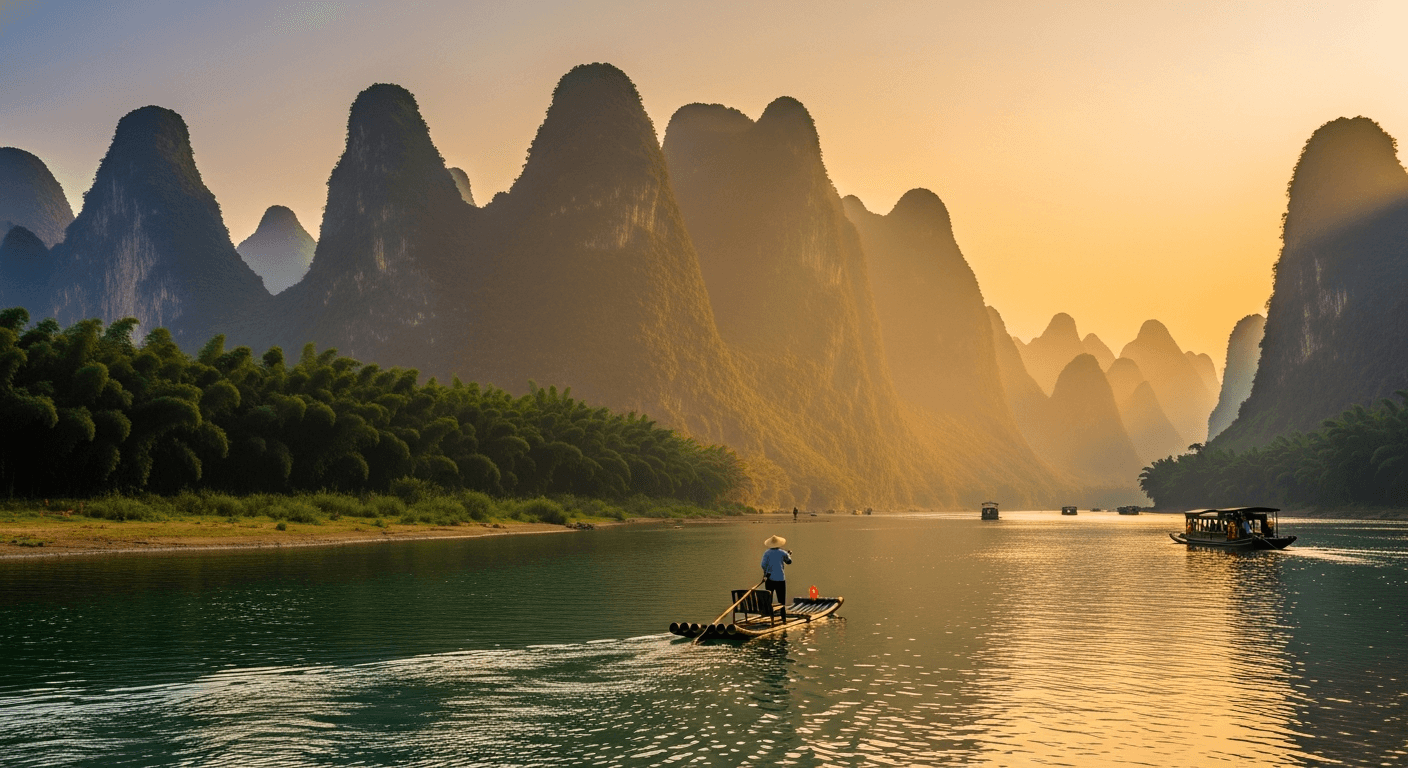
China: Twenty Places That Redefine What Travel Can Be
There's a particular quality to returning—the way a place shifts from novelty to knowledge, from external observation to internal belonging. China holds this quality like no other destination. Travelers don't just visit and leave; they arrive again and again, drawn by something that resists easy explanation. Perhaps it's the sheer density of human continuity, the way ancient philosophy still shapes daily rituals, or simply the disquieting joy of encountering a place genuinely unfamiliar yet strangely welcoming.
The travelers who return to China aren't chasing Instagram moments or ticking boxes. They're following invisible threads—a teahouse conversation, the geometry of a courtyard, the particular way light falls on weathered stone. These places become extensions of how they understand the world. And what emerges from talking to hundreds of these repeat visitors isn't a list of attractions, but rather a collection of spaces where something real persists beneath the velocity of modern China.
What follows are twenty destinations that consistently lure travelers back, not because they're flawless, but because they possess something rarer: authenticity that deepens with time.
1. Beijing's Forbidden City
The experience improves dramatically with return visits. First time, you're overwhelmed by scale. Third time, you notice the empress's carved dragon throne, the precise angles of shadow across imperial yellow tiles, the way each courtyard isolates you from the city beyond. The Forbidden City rewards patient wanderers—arrive before 9am when the palace still feels inhabited, not merely preserved. Best in early spring (April-May) when the light gains depth and courtyards bloom with careful, imperial gardening. The insider's move: skip the main Dragon Throne hall and explore the outer concubine quarters where the architecture whispers rather than shouts. Photograph the marble bridges at angle—they're designed to reflect light in ways that frontal shots miss entirely.
2. Xi'an's Terracotta Warriors
The moment of confrontation with 8,000 clay soldiers never dulls. But return visitors understand the site differently—not as spectacle but as glimpse into obsession, into an emperor's desperate attempt to outwit mortality. The three excavated pits reveal incrementally: the soldiers weren't interchangeable. Each face differs subtly. The details accumulate into something unsettling and profound. October and November offer clearest skies and smaller crowds. The museum shop has reproductions, but the visceral power lies in standing before the originals, feeling the weight of 2,000 years compress into a single moment of presence. Early morning visits shift the entire psychology—you'll see restoration workers handling the figures with reverence, which reframes the site from monument to ongoing conversation with the past.
3. Suzhou's Classical Gardens
Water-and-stone perfection that somehow avoids precious feeling. The gardens refuse to perform for you; instead, you learn their grammar slowly. The Lingering Garden rewards three separate visits—each reveals new chambers, borrowed views, the architect's understanding of perspective. Spring and autumn provide ideal light and temperature, but winter gardens hold a particular stillness that long-term visitors seek out. Locals still arrive to sit, read, play Go under pavilions. This detail—that the gardens function as lived space, not museum set piece—changes everything. The best photographs come not from compositional perfection, but from patience: wait for an elderly couple to settle on a bench, for light to strike a window's latticework, for the moment when the garden remembers itself.
4. Guilin and the Li River
The mist-wrapped mountains you imagined actually exist. But the real discovery isn't the karst landscape—it's how to inhabit it slowly. Skip the tour buses; instead, rent a bicycle in Yangshuo and navigate the backroads where the scenery becomes accompaniment rather than destination. The river itself feels most alive around June, before monsoon humidity peaks, when morning mist behaves like a living thing. Bamboo rafting in pre-dawn hours offers silence and solitude that's increasingly rare. The small villages accessible by foot—Baisha, Moon Hill's periphery—reveal the landscape as inhabited, not merely aesthetic. Professional photographers return here repeatedly because the light behaves inconsistently; unpredictability breeds expertise. Bring neutral-colored clothing; standing out diminishes the subtlety of the experience.
5. Chengdu's Tea Culture
The city itself matters less than the ritual. Locals have been arriving at street-level teahouses for decades, finding them in alleyways that feel deliberately unmarked. The real Chengdu reveals itself not in the restored courtyards but in working neighborhoods where someone's grandmother serves oolong from a Thermos flask and charges three dollars for two hours of sitting. The visitor who returns makes friends with a particular teahouse owner. They learn the difference between sheng and shou pu-erh. They understand why an elderly man spends his afternoon rearranging the same bamboo furniture. Best in autumn, when the heat releases and the city becomes a series of conversations. The eating (spicy hotpot, smoked duck) matters, but it's secondary to the sitting-down part. Photograph the hands: aged fingers that have poured the same tea for forty years tell the story better than any landscape.
6. Jinshanling's Wild Wall
The Great Wall exists in many forms; Jinshanling represents the version that allows conversation rather than conquest. Unlike the restored sections, this stretch remains partially crumbling—a reminder that greatness decays, that preservation isn't restoration's goal. Two hours north of Beijing, it attracts hikers who return seasonally. The stone speaks of weather and time. September offers ideal conditions: clear skies, golden light, the summer heat finally releasing its grip. Sunset hiking draws serious photographers and insomniacs. The practical secret: hire a local guide from nearby Gubei Water Town; they know the least-crowded approach and the optimal photography positions. Bring water that weighs too much—hydration matters on climbs where altitude is mild but distance significant.
7. Hangzhou's West Lake
The lake has been celebrated for 1,000 years because the compliments are justified. But visitors return because West Lake operates as mirror—you see what you bring to it. The Three Pools Reflecting the Moon on a clear night resembles nothing so much as meditation made visible. The lake's northern shore offers classical pavilions; the southern shore attracts tea plantations where leaves grow on terraces overlooking the water. Spring and autumn feel like the lake's intended seasons, when the light gains clarity and the crowds thin enough for genuine stillness. Rent a bicycle and circumnavigate; the physical act of circling water operates on the body differently than static observation. The real magic: the teahouses built on the water's edge where you can sit for hours with a pot of Dragon Well tea, watching boats cross paths in perfect silence.
8. Pingyao's Walled County
A living historical town that functions as actual community, not theme park. The Ming and Qing-era architecture frames everyday life—laundry dries on ancient rooflines, restaurants serve in restored courtyards, locals navigate the cobblestone streets with the unselfconsciousness of those born here. Return visitors rent apartments and settle in for weeks. You learn the rhythms: when farmers bring vegetables to the market, when tour groups pass through (early morning), when the town reveals itself to itself. Winter holds particular charm—snow on tile roofs, fewer visitors, the town breathing at its actual pace. The photography transforms when you stop looking for pretty and start noticing real. The relationships deepen when you learn names, preferences, the economic pressures that shape life here. Eat breakfast at the same vendor every morning; by day three, you'll receive quiet recognition.
9. Yangzhou's Canal Towns
The Grand Canal flows through these water-based communities, but Yangzhou itself remains relatively undiscovered by bulk tourism. The narrative here isn't grandeur but continuity—merchants have traded along this route for centuries, and certain functions persist. Slender stone bridges arch over narrow waterways. Boatmen pole through morning fog. The Slender West Lake offers similar appeal to Hangzhou's more famous version, but with actual solitude. Stay in one of the canal-side guesthouses; you'll wake to water sounds and boatmen's calls. April and October provide temperature stability and light clarity. The local delicacy—breakfast noodles in a thin broth, eaten standing at a counter—costs two dollars and tastes like concentrated understanding of why you came. Photography thrives on detail rather than vista: the weathered wood of a boathouse, hands preparing food, reflections in still water.
10. Zhangjiajie's Avatar Landscape
Yes, it inspired Pandora. Yes, the cliffs soar vertically in ways that seem engineered for cinematic grandeur. But the real revelation arrives when you accept the impossibility of capturing this on film. The sandstone pillars exist partly at a scale that defeats photography—the drama emerges from standing before the actual geology, neck craned upward, understanding your own insignificance. The glass walkway attracts the thrill-seeking crowd; the trails themselves—particularly early morning hikes when the mist hasn't burned away—feel like walking inside a Chinese landscape painting. October and November offer cool temperatures and visibility. The paradox: the place is simultaneously touristy and genuinely powerful. The visitors who return are those who made peace with both truths. Photograph in monochrome if possible; it cuts through the absurdity and returns the landscape to something quieter and more true.
11. Yangshuo's Moon Hill Walk
The hike itself takes perhaps ninety minutes—hardly an expedition. But the path winds through rural landscape where water buffalo work fields and limestone peaks emerge from agricultural checkerboards. The town of Yangshuo underneath has modernized, but the surrounding villages remain largely unmechanized. The rewarding walk isn't the destination (the hole in Moon Hill) but the approach and the descent, when you encounter the actual countryside. Spring brings wildflowers; autumn brings clarity. The photography moment isn't from the top (where everyone collects the same shot) but from the path three-quarters of the way down, where the landscape opens and the light gains dimension. Stay in one of the river guesthouses and time your climb to return as dusk falls—the walk becomes something else entirely when you're moving through deepening light, rushing to find your way before darkness fully commits.
12. Wuzhen's Night Alleys
The water towns of Zhejiang exist in clusters, and Wuzhen represents perhaps the most accessibly magical. The alleys near the water channel transform completely after darkness—lanterns reflect in black water, stone bridges become paths to somewhere unreal. Day visitors see a museum; night visitors see a lived environment. Stay overnight if possible; morning arrives with fishing boats and vendors, a different kind of magic. Photograph only with available light—the scene demands it. The porcelain shops and silk merchants are genuinely working businesses, not performative displays. The food is good without being Instagram-optimized. The local speciality—aged distilled liquor stored in home courtyards—tastes like time and place concentrated.
Local Tips: The Practiced Approach
Transportation in China operates at scale that bewilders first-timers and feels natural to returners. Booking apps (12306.cn for trains, native apps for regional services) require patience but offer access. The high-speed rail network connecting major cities runs with Swiss-watch punctuality. Within cities, taxis remain cheaper than Western options; apps like Didi provide app-based booking. But repeat visitors often rent bicycles and move through neighborhoods at human velocity—it's how you develop actual relationship with a place.
Neighborhoods matter enormously. The downtown areas tourists see represent perhaps 10% of the city. Moving into residential quarters—the hutongs of Beijing, the laneway neighborhoods of Chengdu—shifts entire experience. Locals frequent the small restaurants, the teahouses, the markets. Tourists rarely see these spaces. Finding them requires willingness to appear lost, to ask directions in attempted Mandarin, to discover through wandering.
Timing reframes everything. Avoid national holidays (Chinese New Year, October holidays) unless you specifically enjoy crowds. The shoulder seasons—April-May, September-November—offer ideal conditions. Consider that winter in the north brings bone-penetrating cold; southern regions offer milder winters. But off-season visiting grants you the gift of crowds thinning, prices dropping, the place remembering itself. Many return visitors deliberately travel in late January or late September, when the formal tourist season hasn't quite begun or has just ended.
Etiquette here isn't burdensome—it's permission. Learn to say please and thank you in Mandarin. Remove shoes when entering homes or certain traditional spaces. Photographing people requires asking, not demanding. Accept that certain historical periods remain culturally sensitive; navigate these thoughtfully. The person who approaches with genuine curiosity and respect opens doors—quite literally, sometimes—that hurried tourism closes.
Discover More Routes and Stories
Explore the layered travel patterns that connect these places through Touratu's interactive map. See how other travelers have moved through China, which routes emerge repeatedly, which lesser-known connections reveal themselves when you zoom into local journeys. The map shows not just destinations but the rhythm of return travel—the seasons other visitors chose, the neighborhoods they lingered in, the visual moments they captured. It's the map of repetition, which is the map of understanding.
Why We Return
China doesn't give itself away easily or completely. It requires multiple visits to shift from observer to participant, from tourist to traveler. The places that draw visitors back aren't necessarily the largest or most famous—they're the ones that feel real, that operate according to their own logic rather than the logic of tourism. They're the places where sitting quietly for hours feels like an achievement, where a simple meal tastes profound, where the light at particular hours seems to illuminate not just the landscape but something in yourself.
The philosophers who built these gardens, these temples, these towns understood something about duration, about how beauty accrues through time rather than existing as a single moment. The travelers who return understand this too. They're not collecting experiences; they're deepening relationships. And that's why they come back.
Loading activities…
