
20 Best Places in French Polynesia for Repeat Travelers
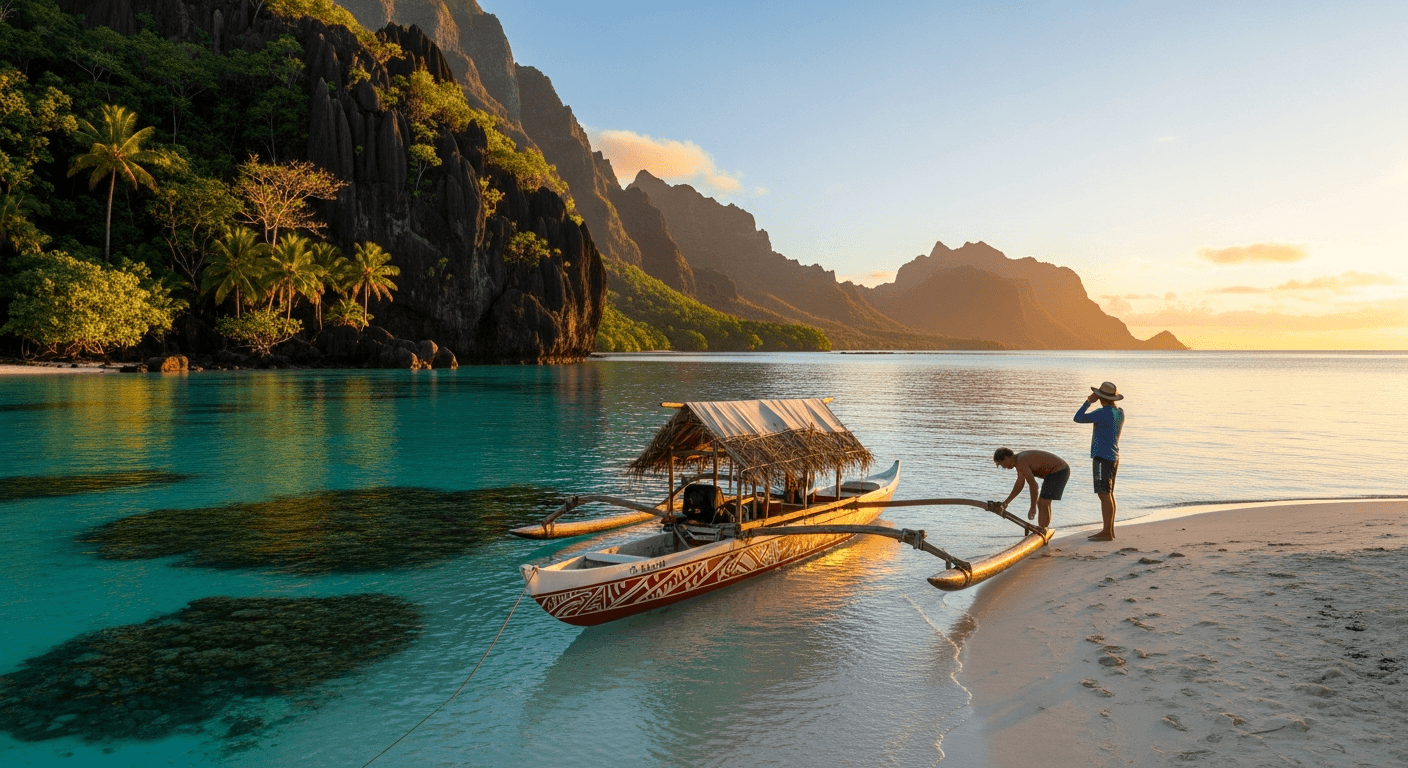
French Polynesia: Where the Ocean Holds All the Answers
There's a particular shade of turquoise that exists nowhere else on earth—not in the Caribbean, not in Southeast Asia. It's the colour of secrets kept underwater, of light fractured through impossibly clear water, and it exists here, in French Polynesia, with an almost brazen perfection. The lagoons don't apologize for their beauty. They simply exist, patient and luminous, waiting for the kind of traveller who understands that some places rewire how you see the world.
What keeps people returning isn't the postcard perfection, though that exists in abundance. It's something quieter. It's the rhythm of island life that eventually syncs with your heartbeat. It's waking at dawn to birdsong that sounds like language you almost understand. It's the realization, usually around day five, that time moves differently here—not slower, but truer. You begin to understand why Polynesian culture centers on the ocean. The water doesn't just surround these islands; it explains them.
The islands pull different people for different reasons, and that's the real magic. Whether you're seeking solitude, adventure, cultural depth, or simply a space to remember what it feels like to breathe, French Polynesia offers twenty distinct reasons to return again and again.
The Twenty Places That Become Reasons to Stay
1. Bora Bora: Where Ego Dissolves
The mountain dominates everything—a volcanic sentinel wrapped in green. Yes, Bora Bora carries the weight of being "the one everyone knows," yet something shifts when you actually arrive. The ego built around visiting famous places tends to evaporate here, replaced by something more honest: awe at geology. The lagoon holds four distinct colour gradients depending on depth and light. Snorkelling the coral gardens reveals a complexity that humbles you. The best experience happens in late afternoon, when tour boats thin out and the light turns everything golden.
Best time: May to October, though the lagoon's magic is year-round.
Insider observation: Most visitors stay in the resort corridor. Walk inland toward the villages—this is where real life continues, unbothered by tourism.
Photography moment: The mountain at sunset from Matira Beach, with the lagoon turning pewter-grey.
Practical tip: Rent a car rather than relying on boat tours. The island reveals itself differently when you control the rhythm.
2. Fakarava: The Aquarium Effect
An atoll rather than an island, Fakarava operates under different rules. The lagoon stretches 60 kilometres, and you could spend weeks here and still discover new passages. The French government recognized this as something worth protecting—it's a UNESCO biosphere reserve. What that means practically: exceptional diving and snorkelling without the queues. The sharks and rays here seem unbothered by humans. You're not intruding on their world; you're being quietly tolerated as an observer.
Best time: June to September for clearest visibility.
Insider observation: Stay at the smaller lodges rather than resort compounds. The hosts often know the lagoon intimately and share genuine knowledge rather than rehearsed stories.
Photography moment: The blue lagoon at midday, when the water becomes almost impossible to photograph accurately because your camera cannot process that colour.
Practical tip: Bring seasickness medication if you're sensitive. The boat ride from the airport can be rough, but it's worth the discomfort.
3. Moorea: The Thinking Person's Island
The twin bays cut into the island like twin moons. Moorea doesn't demand your attention—it allows you to think. People come here for diving and snorkelling but often stay because they've found space to process something unfinished. The island feels less commercialized than Bora Bora but no less stunning. Opunohu Bay offers both beauty and solitude simultaneously.
Best time: April to May, September to November.
Insider observation: The viewpoint at Belvedere offers an experience that costs nothing but requires effort to reach. This alone keeps it quieter.
Photography moment: The bays from above at golden hour.
Practical tip: The ferry from Tahiti runs regularly. You don't need to fly or take expensive boat transfers.
4. Tahiti: The Complicated Heart
Tahiti isn't postcard-perfect, and that's its strength. Papeete sprawls with genuine urban energy—markets that smell of musk and fruit, restaurants where locals actually eat, shops selling pareus that aren't meant for tourists. The island's lush interior offers hiking that connects you to something primal. Most visitors treat Tahiti as a connection point, but those who stay find a place that reveals Polynesian culture without sanitizing it.
Best time: Year-round, though dry season (May-October) is preferred.
Insider observation: Skip the cruise ship excursions entirely. Spend time in the valley villages instead, where colonial history and contemporary Polynesian life coexist in fascinating tension.
Photography moment: Papeete's market at dawn, before it becomes too crowded.
Practical tip: Stay a minimum of three days. The island's character emerges slowly.
5. Raiatea: The Sacred Anchor
Raiatea served as the religious and cultural centre of ancient Polynesia. The island itself feels older somehow—less polished, more grounded in genuine history. Taputapuatea marae (ancient temple) stands as one of the Pacific's most significant archaeological sites. Visiting here is about understanding rather than observing. The lagoon remains impossibly beautiful, but it's the sense of standing on sacred ground that truly marks the experience.
Best time: June to August.
Insider observation: Many travellers overlook Raiatea entirely, which paradoxically makes it one of the most peaceful islands to visit.
Photography moment: The marae during early morning light, when the stone absorbs the sun differently.
Practical tip: Hire a local guide. The history here deserves proper context, not guidebook summaries.
6. Taha'a: The Vanilla Dream
The island produces some of the world's finest vanilla. The scent hangs in the air—not as overwhelming nostalgia but as ambient presence. The lagoon here rivals Fakarava for sheer beauty, and the coral gardens feature species you won't find in heavily-touristed atolls. Taha'a offers the rare combination of exceptional natural beauty with genuine remoteness.
Best time: August to December.
Insider observation: Visit vanilla farms directly rather than through tour operators. The families running them share stories about cultivation and market challenges with remarkable openness.
Photography moment: The plantation roads at dusk, lined with vanilla vines curling through wooden frames.
Practical tip: A four-wheel-drive rental reveals significantly more than the main road.
7. Tikehau: The Bird Sanctuary Approach
An atoll rather than a high island, Tikehau invites patient observation. The lagoon shimmers with particular clarity. Over 400 bird species inhabit or visit the atoll—more than you'd expect possible in such limited space. The experience here slows you down deliberately. Snorkelling brings encounters with rays and reef sharks, but the bird life offers something equally remarkable: the reminder that natural systems operate on scales that dwarf human timescales.
Best time: September to November.
Insider observation: The island's few lodges maintain strict environmental standards. This isn't conservation performance—it's genuine practice.
Photography moment: The sunset reflecting off completely still water, with birds circling.
Practical tip: Pack binoculars and a bird identification guide. The birdwatching becomes exponentially more rewarding.
8. Rangiroa: The Lagoon Without Comparison
The largest atoll in French Polynesia, Rangiroa's lagoon spans 75 kilometres. Even this measurement doesn't quite convey the scale. The experience of being in such vastness—surrounded by water that stretches beyond meaningful distance—produces a particular kind of humility. The diving here ranks among the world's finest, particularly in the passes where current brings nutrient-dense water and exceptional visibility.
Best time: July to September.
Insider observation: The Blue Lagoon is famous but crowded. Ask locals about quieter snorkelling spots in the lagoon itself—the coral and fish life rival the famous sites with none of the tour boat concentration.
Photography moment: The lagoon from your overwater bungalow at first light.
Practical tip: Fly in from Tahiti. The hour-long flight offers perspectives on the atoll system that water-level exploration cannot match.
9. Huahine: The Authentic Anchor
Huahine remains less developed than its neighbors, which means it retains something essential. The island feels connected to its own history in ways that feel unforced. Two volcanic islands comprise the landmass, and the passage between them narrows enough to create a tangible sense of intimacy with geography. The archaeological sites require effort to reach, which keeps them unbothered by casual tourism.
Best time: October to April (wetter but fewer tourists).
Insider observation: The local market operates daily and reflects actual island consumption, not tourist expectations. Spend time there observing.
Photography moment: The passage between the two islands at high tide, with water movement creating texture.
Practical tip: Rent a scooter rather than a car. The island scales perfectly to that pace of travel.
10. The Tuamotu Atolls: Where Remoteness Becomes Real
The Tuamotu Archipelago encompasses 78 atolls scattered across vast ocean distances. Each possesses distinct character—some pristine and untouched, others with genuine communities. The appeal here is specifically remoteness. You're not playing at escape; you're actually departing from the tourist infrastructure. The diving is extraordinary, but equally remarkable is the sense of being on terms with landscape rather than being entertained by it.
Best time: Year-round, though some atolls are only accessible during specific seasons.
Insider observation: Weather patterns matter significantly. Before booking, ask locals which atolls they'd visit and which they'd avoid in your travel months.
Photography moment: The lagoon at midday, when the colours become almost abstract in their intensity.
Practical tip: These islands aren't suited to travellers seeking convenience. Embrace the logistical complexity as part of the experience.
Finding Your Way: Local Patterns and Timings
Getting around French Polynesia requires embracing a different relationship with schedules. Inter-island boats connect the main islands, but departure times operate on approximations rather than certainty. Flights are more reliable but significantly more expensive. Most travellers find that accepting this pace—building in buffer time, expecting delays—allows them to settle into island rhythms rather than fight against them.
Each island maintains distinct neighborhoods and villages where life continues unbothered by tourism. The main resort corridors offer comfort, but the genuine discoveries happen when you venture inland or to smaller settlements. The bakeries opening at dawn, the families fishing early morning, the gatherings in late afternoon as people finish their day—these reveal how life actually functions.
Timing within days matters as much as timing within seasons. The light changes everything. Markets bustle with energy in very early mornings. Afternoon sun transforms the water into an almost aggressive brightness that's difficult to photograph but stunning to simply witness. The restaurants and markets that serve locals typically offer meals that cost a fraction of resort prices and taste substantially better—this isn't budget travel advice but rather an invitation to eat where the food reflects actual culinary traditions rather than tourist expectations.
Etiquette centers on respect for the ocean and the cultural significance it holds. Swimming in certain areas requires understanding which sites are sacred. Respecting the villages by asking before photographing people, dressing conservatively outside of beach contexts, and understanding that island hospitality isn't infinite—it's precious and worth protecting through thoughtfulness.
Discovering Your Own Polynesian Route
Use Touratu's interactive map to explore routes that other travellers have traced through French Polynesia. Search by interest—diving specialists, cultural explorers, solitude-seekers—and see how others have sequenced their island hopping. The visual reels reveal what different light does to each location, what different seasons reveal, and how the journey changes depending on where you begin.
The Return Factor
French Polynesia's real magic emerges on return visits. The first trip offers wonder—appropriate and necessary. The second trip allows you to go deeper into places that first-time pace prevents. You return to islands you felt rushed through. You linger in villages where people now recognize you. You understand why the ocean matters so profoundly to Polynesian culture. You stop collecting experiences and start living within them.
The twenty places listed here aren't destinations to check off. They're invitations into a region that rewards slowness, curiosity, and genuine presence. The turquoise water doesn't just call people back. It changes how they think about what matters, what lasts, and what the world still holds for those patient enough to listen.
