
Data provided by Touratu - India
Blog
Tourita
September 14, 2026
storiesIndia Video Travel Guide | Best Places, Itinerary & Interactive Map
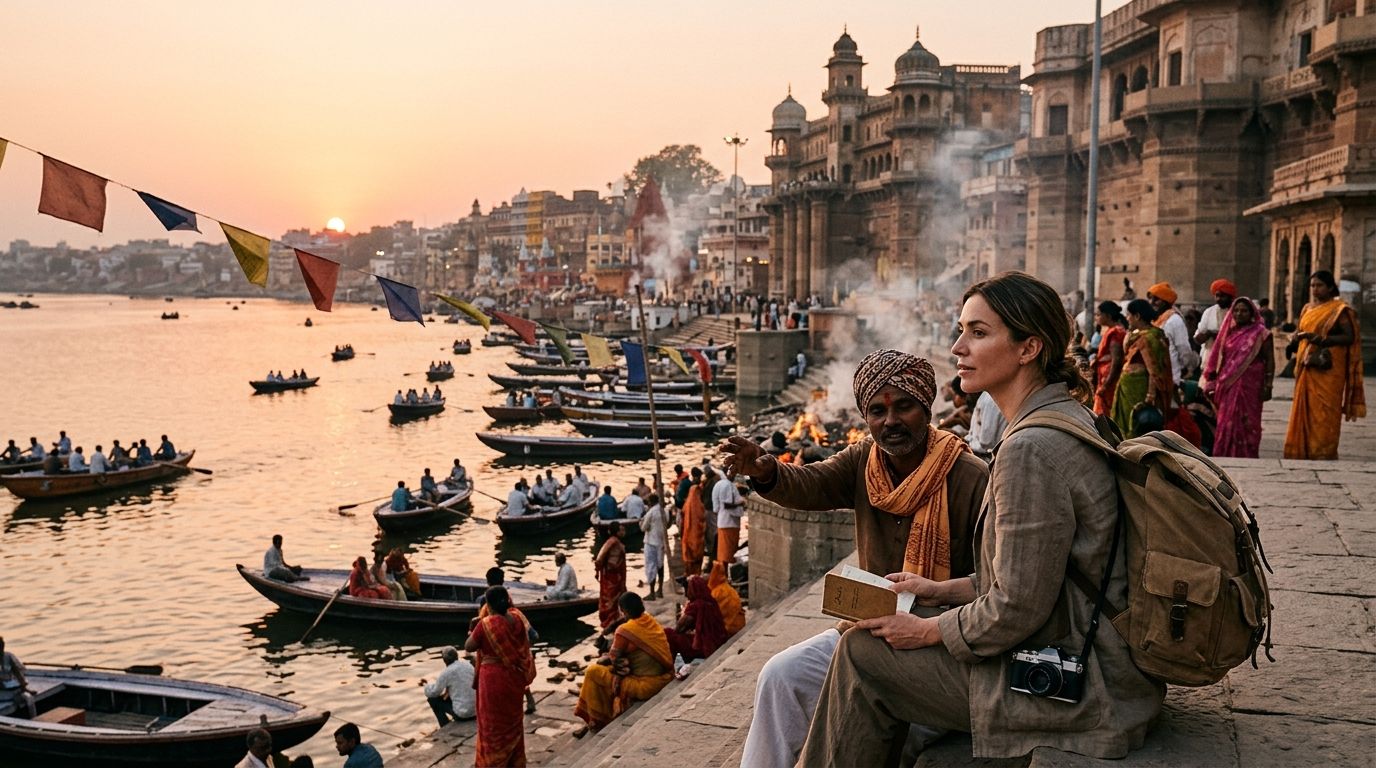
India Travel Guide: Explore Before You Book
India isn't a destination that can be understood by looking at a handful of photographs or reading a list of attractions. It is a vast country where every region offers its own landscapes, traditions, architecture, languages, cuisine, festivals, and travel experiences.
One trip might take you from the snow-covered mountains of the Himalayas to the tropical beaches of Kerala. Another might focus entirely on royal forts in Rajasthan, wildlife safaris in Madhya Pradesh, or tea plantations in the northeast. Each journey feels like visiting a different country.
Because of this diversity, planning a trip to India requires more than simply choosing famous landmarks. Travelers benefit from understanding how destinations connect geographically, what experiences are nearby, how long to stay, and what each region offers during different seasons.
That is where exploring destinations before booking becomes valuable. By viewing destinations on an interactive map, watching narrated travel guides, and comparing nearby attractions, travelers can build more efficient itineraries and avoid spending valuable vacation time on places that may not match their interests.
India rewards travelers who plan thoughtfully—and the journey often begins long before boarding the flight.
Why Visit India?
India offers one of the widest varieties of travel experiences anywhere in the world. Few countries combine thousands of years of history with such diverse natural landscapes and living cultural traditions.
A Country of Extraordinary Diversity
Within a single country you can experience:
- Himalayan mountain ranges
- Tropical islands
- Desert landscapes
- Dense forests
- Tea plantations
- Backwaters
- Modern megacities
- Ancient temples
- Colonial architecture
- Wildlife sanctuaries
- UNESCO World Heritage Sites
Every state has its own traditions, cuisine, festivals, architecture, and local identity.
Rich History at Every Turn
India's history spans several millennia and includes ancient civilizations, powerful kingdoms, Mughal architecture, colonial influences, and one of the world's oldest continuously practiced cultures.
Visitors can explore:
- Ancient cave temples
- Medieval forts
- Royal palaces
- Stepwells
- Sacred rivers
- Historic trading ports
- Archaeological sites
- Colonial towns
Each destination tells a different chapter of India's story.
Incredible Natural Landscapes
Nature lovers will find remarkable diversity throughout the country.
Some of India's most memorable landscapes include:
- Himalayan valleys
- Western Ghats
- Thar Desert
- Sundarbans) mangroves
- Kerala backwaters
- Andaman Islands
- Rann of Kutch
- Alpine lakes
- Coffee plantations
- National parks
The country's varied geography means there is always somewhere with favorable weather, regardless of the season.
A Paradise for Food Lovers
Indian cuisine varies dramatically by region.
Rather than one national cuisine, visitors discover hundreds of local specialties.
Examples include:
| Region | Signature Experiences |
|---|---|
| North India | Rich curries, kebabs, naan, street food |
| South India | Dosa, idli, seafood, coconut-based cuisine |
| West India | Gujarati thali, Goan seafood, Maharashtrian snacks |
| East India | Bengali sweets, fish curries |
| Northeast India | Bamboo shoots, smoked meats, tribal cuisine |
Food alone can become the centerpiece of an itinerary.
Perfect for Every Travel Style
India suits nearly every type of traveler.
| Travel Style | Recommended Experiences |
|---|---|
| Families | Wildlife parks, beaches, hill stations |
| Couples | Kerala, Udaipur, Goa, Kashmir |
| Backpackers | Himachal Pradesh, Rishikesh, Varanasi |
| Luxury Travelers | Palace hotels, wellness retreats, luxury trains |
| Adventure Seekers | Trekking, rafting, diving, skiing |
| Spiritual Travelers | Varanasi, Bodh Gaya, Rishikesh, Amritsar |
| Wildlife Enthusiasts | Tiger reserves, bird sanctuaries, national parks |
| Photographers | Ladakh, Rajasthan, Meghalaya, Hampi |
India allows travelers to build highly personalized journeys.
Watch Before You Visit
Before choosing where to spend your time, watch narrated destination videos to understand:
- the atmosphere
- crowd levels
- walking conditions
- surrounding neighborhoods
- accessibility
- viewpoints
- nearby attractions
Seeing a destination before visiting often helps travelers decide whether it matches their expectations.
Explore India Before You Travel
Planning a trip across India can feel overwhelming simply because there are so many incredible places to choose from.
Instead of deciding based solely on photographs or social media posts, it's helpful to explore destinations geographically and understand how they connect with nearby attractions.
Touratu's interactive travel exploration platform allows travelers to:
- Discover destinations on an interactive map
- Understand regional geography
- Compare nearby attractions
- Watch narrated destination guide videos
- Explore hotels close to attractions
- Discover highly rated activities
- Build more efficient itineraries
- Reduce unnecessary travel time
This "Explore Before You Book" approach is especially valuable in a country as geographically diverse as India, where travel times between destinations can be significant.
Explore on the Interactive Map
Interactive maps help travelers answer practical questions before they travel:
- What attractions are close together?
- Which city makes the best base?
- How many days are needed?
- Which destinations fit into one itinerary?
- Where should I stay to reduce travel time?
Visual exploration often reveals connections that traditional travel guides miss.
Best Places to Visit in India
Rather than ranking destinations from best to worst, it helps to explore India region by region. Each area offers distinct landscapes, cultures, and travel experiences.
Northern India
Northern India is home to iconic monuments, Himalayan landscapes, sacred rivers, and some of the country's most visited destinations.
Delhi
India's capital blends centuries of history with modern urban life. Historic forts, Mughal monuments, bustling markets, museums, and contemporary neighborhoods make it an excellent introduction to the country.
Ideal for: First-time visitors, history enthusiasts, food lovers
Recommended stay: 2–3 days
Nearby destinations:
- Agra
- Jaipur
- Rishikesh
Agra
Home to the Taj Mahal, Agra remains one of India's most visited destinations. Beyond the famous marble mausoleum, travelers can explore Agra Fort, Mehtab Bagh, and nearby Fatehpur Sikri.
Ideal for: Architecture lovers, photographers
Recommended stay: 1–2 days
Jaipur
Known as the Pink City, Jaipur showcases royal palaces, hilltop forts, colorful bazaars, and traditional Rajasthani culture.
Highlights include:
- Amber Fort
- City Palace
- Hawa Mahal
- Jantar Mantar
Recommended stay: 2–3 days
Rishikesh
Situated along the Ganges River at the foothills of the Himalayas, Rishikesh combines spirituality with adventure.
Visitors enjoy:
- Yoga retreats
- River rafting
- Riverside cafés
- Evening Ganga Aarti
- Suspension bridges
Amritsar
Famous for the Golden Temple, Amritsar offers one of India's most meaningful cultural experiences alongside excellent Punjabi cuisine and the Wagah Border ceremony.
Touratu Insight
Northern India works especially well as a first itinerary because many iconic destinations are connected by excellent road, rail, and air networks. Exploring them on an interactive map before booking helps travelers estimate travel times and identify worthwhile stops between major cities.
Western India
Western India combines royal heritage, cosmopolitan cities, beaches, deserts, and vibrant cultural traditions.
Mumbai
India's financial capital offers colonial architecture, Bollywood culture, historic districts, art galleries, waterfront promenades, and renowned street food.
Stay: 2–3 days
Goa
Goa remains India's best-known beach destination, offering a mix of Portuguese heritage, coastal villages, nightlife, water sports, and relaxed beach culture.
Different areas cater to different travel styles—from lively beach towns to quieter coastal escapes.
Udaipur
Often called the City of Lakes, Udaipur is known for romantic palaces, scenic boat rides, heritage hotels, and beautiful sunsets.
Perfect for:
- Couples
- Luxury travelers
- Photographers
Jaisalmer
Located deep within the Thar Desert, Jaisalmer is famous for its sandstone fort, desert camps, camel safaris, and traditional Rajasthani culture.
Worth Your Time?
Western India is ideal if you enjoy:
Heritage architecture Desert landscapes Luxury stays Beaches Cultural festivals Photography
Southern India
Southern India is known for its tropical landscapes, ancient temples, hill stations, coffee plantations, backwaters, and relaxed coastal lifestyle. Compared with northern India, travel here is often slower paced, with a strong focus on nature, heritage, wellness, and cuisine.
Kerala
Kerala offers one of India's most diverse travel experiences within a relatively compact region. Travelers can explore misty hill stations, peaceful backwaters, wildlife reserves, spice plantations, beaches, and historic port towns in a single itinerary.
Perfect for
- Families
- Couples
- Nature lovers
- Wellness travelers
Recommended Stay
5–8 days
Nearby Experiences
- Alleppey Backwaters
- Munnar Tea Gardens
- Thekkady Wildlife Sanctuary
- Kochi Heritage District
- Varkala Beach
Bengaluru
India's technology capital is also known for pleasant weather, gardens, cafés, breweries, and easy access to nearby hill stations and heritage sites.
Recommended Stay
2–3 days
Mysuru
Once the capital of the Kingdom of Mysore, the city is famous for its royal palace, vibrant Dasara festival, silk products, sandalwood, and cultural heritage.
Hampi
A UNESCO World Heritage Site, Hampi preserves the magnificent ruins of the Vijayanagara Empire across a dramatic landscape of giant granite boulders and temples.
Best For
- History lovers
- Photographers
- Backpackers
Recommended Stay
2 days
Chennai
The cultural gateway to South India offers classical music, temples, museums, beaches, and one of India's strongest culinary traditions.
Kanyakumari
At India's southernmost tip, the Arabian Sea, Bay of Bengal, and Indian Ocean meet. Sunrise and sunset views attract travelers throughout the year.
Watch Before You Visit
Southern India's attractions often extend beyond a single monument. Watching narrated destination videos helps travelers understand:
- the scale of temple complexes
- houseboat experiences
- hill station landscapes
- walking routes
- beach atmosphere
- seasonal conditions
Seeing these experiences beforehand helps travelers decide how much time each destination deserves.
Eastern India
Eastern India offers spiritual destinations, colonial heritage, tea gardens, beaches, wildlife, and rich artistic traditions.
Kolkata
Known as India's cultural capital, Kolkata combines colonial architecture, literary heritage, historic trams, vibrant festivals, and renowned street food.
Recommended Stay
3 days
Puri
Puri attracts both pilgrims and beach lovers. The Jagannath Temple, long coastline, and nearby Konark Sun Temple make it a rewarding destination.
Bhubaneswar
Often called the Temple City of India, Bhubaneswar features hundreds of historic temples alongside modern urban development.
Darjeeling
Nestled in the Himalayas, Darjeeling is famous for tea plantations, mountain railways, and panoramic views of Kanchenjunga.
Sundarbans
The world's largest mangrove forest offers opportunities to explore unique ecosystems while searching for the elusive Royal Bengal Tiger.
Northeastern India
India's northeast remains one of the country's least explored regions despite its exceptional natural beauty and cultural diversity.
Travelers willing to venture beyond mainstream routes are rewarded with dramatic waterfalls, living root bridges, tribal cultures, mountain villages, and pristine national parks.
Meghalaya
Highlights include:
- Living Root Bridges
- Cherrapunji
- Dawki River
- Shillong
- Numerous waterfalls
Ideal for photographers and nature enthusiasts.
Assam
Known for:
- Kaziranga National Park
- Tea estates
- Brahmaputra River
- Cultural festivals
Arunachal Pradesh
Perfect for adventurous travelers seeking monasteries, mountain scenery, and remote villages.
Sikkim
Although geographically small, Sikkim offers snow-capped peaks, Buddhist monasteries, alpine lakes, and excellent trekking opportunities.
Island Destinations
Andaman & Nicobar Islands
The islands combine white-sand beaches, coral reefs, scuba diving, snorkeling, and fascinating colonial history.
Top experiences include:
- Radhanagar Beach
- Cellular Jail
- Elephant Beach
- Ross Island
- Scuba Diving
Lakshadweep
Lakshadweep offers quieter island experiences with lagoons, coral reefs, kayaking, snorkeling, and relaxed island life.
Ideal for travelers seeking fewer crowds.
⭐ Touratu Insight
Many international visitors underestimate India's size.
A destination that appears "nearby" on a map may require an entire day of travel.
Using an interactive map before finalizing your itinerary helps you:
- reduce unnecessary travel
- cluster nearby attractions
- choose convenient hotel locations
- maximize sightseeing time
Best Things to Do in India
India's diversity means experiences vary dramatically between regions. Rather than focusing solely on famous landmarks, consider selecting activities that match your travel style.
Adventure
Popular adventure experiences include:
- Himalayan trekking
- White-water rafting
- Paragliding
- Scuba diving
- Desert safaris
- Mountain biking
- Skiing
- Rock climbing
- Ziplining
- Cave exploration
Nature
Nature lovers should consider:
- Tea plantations
- National parks
- Wildlife safaris
- Backwaters
- Alpine lakes
- Waterfalls
- Mangrove forests
- Birdwatching
- Flower valleys
Wildlife
India protects remarkable biodiversity.
Top wildlife experiences include:
- Bengal Tiger safaris
- Asiatic Lion sightings
- One-horned rhinoceros
- Asian elephants
- Snow leopard regions
- Bird sanctuaries
- Crocodile reserves
Culture & Heritage
Travelers interested in history can explore:
- Forts
- Palaces
- Ancient temples
- Buddhist monasteries
- Colonial architecture
- UNESCO World Heritage Sites
- Museums
- Traditional villages
Food Experiences
Food-focused travelers should experience:
- Local street food tours
- Regional cooking classes
- Spice plantations
- Traditional markets
- Tea tasting
- Coffee estates
- Heritage restaurants
Photography
India provides exceptional photography opportunities.
Recommended themes include:
- Sunrise monuments
- Mountain landscapes
- Colorful festivals
- Desert villages
- Wildlife
- Markets
- Architecture
- Coastal scenery
Shopping
Popular purchases include:
- Handicrafts
- Textiles
- Tea
- Spices
- Jewelry
- Leather goods
- Silk
- Handwoven carpets
- Wooden crafts
Family-Friendly Experiences
Families often enjoy:
- Toy train rides
- Wildlife safaris
- Beaches
- Interactive museums
- Science centers
- Hill stations
- Boat rides
- Cultural performances
Romantic Experiences
Couples frequently choose:
- Luxury palace hotels
- Houseboats
- Sunset cruises
- Hill stations
- Beach resorts
- Wine tasting
- Heritage walks
- Scenic train journeys
Explore on the Interactive Map
Rather than searching activities city by city, exploring them geographically allows travelers to discover:
- nearby attractions
- hotels within walking distance
- recommended experiences
- efficient sightseeing routes
This makes itinerary planning significantly easier.
Hidden Gems Worth Exploring
Many of India's most memorable destinations receive far fewer visitors than the country's famous landmarks.
| Destination | Why Visit |
|---|---|
| Ziro Valley | Tribal culture and mountain scenery |
| Majuli | One of the world's largest river islands |
| Chopta | Himalayan trekking without large crowds |
| Gandikota | Dramatic canyon landscapes |
| Tawang | Monasteries and mountain views |
| Dholavira | Ancient Indus Valley Civilization site |
| Gokarna | Relaxed alternative to Goa |
| Mandu | Historic hilltop forts |
| Mawlynnong | Exceptionally clean village with living root bridges nearby |
| Spiti Valley | High-altitude desert landscapes and monasteries |
Suggested Routes
Heritage Circuit
Delhi → Agra → Jaipur → Udaipur
Ideal for first-time visitors interested in history and architecture.
Nature Circuit
Kochi → Munnar → Thekkady → Alleppey → Varkala
Perfect for families and couples seeking relaxation and scenic landscapes.
Himalayan Adventure
Delhi → Shimla → Manali → Leh
Best suited to adventure travelers during the summer months.
Spiritual Journey
Delhi → Haridwar → Rishikesh → Varanasi → Bodh Gaya → Amritsar
A rewarding route for travelers interested in India's spiritual traditions.
Wildlife Trail
Nagpur → Pench → Kanha → Bandhavgarh
Excellent for travelers hoping to experience India's tiger reserves.
Suggested Itineraries
3 Days
Perfect for a city break.
Choose one destination:
- Delhi
- Jaipur
- Mumbai
- Bengaluru
- Kochi
5 Days
Delhi → Agra → Jaipur
One of India's most popular introductions to the country.
7 Days
Classic North India
Delhi → Agra → Jaipur → Rishikesh
Balances heritage, culture, and nature.
10 Days
Royal India
Delhi → Agra → Jaipur → Udaipur → Mumbai
An excellent itinerary for first-time international visitors.
14 Days
Grand India Explorer
Delhi → Agra → Jaipur → Udaipur → Mumbai → Goa → Kochi → Munnar → Alleppey
This route showcases India's architectural heritage, beaches, mountains, backwaters, and vibrant cities while maintaining a practical travel pace.
Before You Book
Before confirming your itinerary, take a few minutes to:
- Watch narrated destination videos to understand the atmosphere and accessibility.
- Explore destinations on an interactive map to estimate travel times.
- Compare nearby attractions so you don't miss worthwhile stops.
- Review hotel locations in relation to the places you plan to visit.
- Browse curated activities to see which experiences best match your interests.
- Check seasonal weather, transport options, visa requirements, travel insurance, and connectivity needs for each region.
Spending a little more time exploring before booking often leads to a smoother, more rewarding trip.
Hotels & Where to Stay
Choosing where to stay in India is often more important than choosing which hotel to book. A well-located hotel can significantly reduce travel time, improve convenience, and make sightseeing more enjoyable.
Rather than selecting accommodation based solely on price or star rating, consider staying close to the attractions and experiences you plan to visit.
Best Areas by Travel Style
| Travel Style | Recommended Areas |
|---|---|
| First-Time Visitors | Central Delhi, Jaipur, Kochi, Mumbai South |
| Families | Kerala Backwaters, Mysuru, Shimla, Udaipur |
| Couples | Udaipur, Munnar, Goa, Alleppey, Kashmir |
| Luxury Travelers | New Delhi, Mumbai, Udaipur, Jaipur |
| Backpackers | Rishikesh, Hampi, Varkala, Pushkar |
| Beach Holidays | Goa, Andaman Islands, Gokarna, Kovalam |
| Wildlife Trips | Near National Parks and Tiger Reserves |
| Spiritual Travel | Varanasi, Rishikesh, Bodh Gaya, Amritsar |
Explore on the Interactive Map
When exploring destinations on Touratu, travelers can also discover nearby hotels while viewing attractions on the same map. Seeing where hotels are located relative to landmarks, transport hubs, and activity areas makes it easier to choose accommodation that supports an efficient itinerary rather than spending unnecessary time commuting.
Practical Planning
Visa
Most international travelers require a visa before arriving in India. Depending on your nationality, you may be eligible for an e-Visa or need to apply through an Indian embassy or consulate. Always verify entry requirements before booking flights.
Currency
India uses the Indian Rupee (INR). Digital payments are widely accepted in cities, though carrying some cash is useful in rural areas and local markets.
Best Time to Visit
India's climate varies significantly by region.
| Season | Best For |
|---|---|
| October–March | Most regions, sightseeing, festivals |
| April–June | Himalayan destinations, hill stations |
| June–September | Lush landscapes, Kerala, waterfalls (monsoon travel) |
Local Transport
Travel between cities is possible by:
- Domestic flights
- High-speed and long-distance trains
- Private taxis
- App-based ride services
- Metro systems in major cities
- Intercity buses
Within cities, combining public transport with walking often provides the best experience.
International Driving Permit
Travelers planning to rent a vehicle should check whether an International Driving Permit is required and familiarize themselves with local traffic conditions before driving.
Travel Insurance
Travel insurance is recommended for medical emergencies, cancellations, baggage protection, and adventure activities. Review coverage carefully before departure.
eSIM & Connectivity
Reliable mobile data makes navigation, translation, ride-hailing, and digital payments easier. Many international travelers choose an eSIM or local SIM card for convenient connectivity.
Budget Planning
India accommodates a wide range of budgets.
| Budget Level | Typical Experience |
|---|---|
| Budget | Hostels, guesthouses, local transport |
| Mid-range | Boutique hotels, domestic flights, guided tours |
| Luxury | Palace hotels, premium resorts, private experiences |
Safety
India is generally welcoming to visitors, but common travel precautions are advisable:
- Stay aware in crowded places.
- Use licensed transport.
- Keep valuables secure.
- Respect local customs and dress codes where appropriate.
- Stay hydrated in warmer regions.
Packing Tips
Pack according to your itinerary:
- Comfortable walking shoes
- Light clothing for warmer regions
- Layers for mountain destinations
- Modest clothing for religious sites
- Sunscreen, reusable water bottle, and universal travel adapter
Local Food
India's cuisine changes dramatically from one region to another, making food an essential part of the travel experience.
Must-Try Dishes
North India
- Butter Chicken
- Chole Bhature
- Rogan Josh
- Parathas
South India
- Masala Dosa
- Idli
- Appam
- Seafood Curries
West India
- Goan Fish Curry
- Pav Bhaji
- Gujarati Thali
East India
- Macher Jhol
- Rasgulla
- Sandesh
Northeast India
- Momos
- Smoked Pork
- Bamboo Shoot Dishes
- Traditional Tribal Cuisine
Food Experiences
Don't miss:
- Street food walks
- Spice markets
- Tea estate tastings
- Traditional cooking classes
- Local sweet shops
- Coastal seafood restaurants
Festivals & Events
India's calendar is filled with festivals that showcase its cultural diversity.
| Festival | Experience |
|---|---|
| Diwali | Lights, celebrations, cultural performances |
| Holi | Color festivals and community celebrations |
| Durga Puja | Artistic installations and processions |
| Navratri | Dance, music, and regional traditions |
| Pushkar Camel Fair | Livestock fair, culture, and crafts |
| Hornbill Festival | Tribal heritage of Northeast India |
| Onam | Kerala's harvest festival and boat races |
| Pongal | Tamil harvest celebrations |
Planning your trip around a festival can provide memorable cultural experiences but may also mean higher demand for accommodation and transport.
Family Travel
India offers many family-friendly destinations and activities.
Recommended Destinations
- Kerala
- Mysuru
- Jaipur
- Shimla
- Darjeeling
- Goa
- Andaman Islands
Family Activities
- Wildlife safaris
- Toy train rides
- Museums
- Beaches
- Botanical gardens
- Boat cruises
- Cultural performances
Tips for Families
- Avoid overloading your itinerary.
- Include rest days.
- Choose centrally located accommodation.
- Book popular attractions in advance during peak seasons.
Couple Travel
India offers countless romantic experiences beyond traditional honeymoon destinations.
Recommended Destinations
- Udaipur
- Munnar
- Alleppey
- Kashmir
- Goa
- Andaman Islands
Romantic Experiences
- Houseboat cruises
- Palace hotels
- Sunset viewpoints
- Heritage walks
- Mountain retreats
- Beach resorts
- Scenic train journeys
Common Mistakes to Avoid
Many first-time visitors try to see too much in one trip. India is vast, and travel between destinations often takes longer than expected.
Avoid these common planning mistakes:
- Trying to cover multiple regions in a short time.
- Underestimating travel distances.
- Ignoring seasonal weather differences.
- Choosing hotels far from planned attractions.
- Skipping advance bookings during festivals.
- Packing without considering regional climates.
- Relying only on social media highlights instead of researching destinations thoroughly.
⭐ Touratu Pro Tips
- Focus on one or two regions instead of trying to see the entire country.
- Build itineraries around nearby attractions to reduce travel time.
- Allow flexibility for unexpected discoveries.
- Watch destination guide videos before finalizing your plans to better understand the atmosphere and accessibility.
- Explore attractions geographically using interactive maps to identify logical sightseeing routes.
- Compare hotel locations in relation to the places you plan to visit rather than choosing solely by price or rating.
Frequently Asked Questions
How many days should I spend in India?
A first visit of 10–14 days allows enough time to explore one or two regions comfortably.
When is the best time to visit India?
October to March generally offers the most pleasant weather for most destinations, though mountain regions are often best visited during summer.
Is India suitable for family travel?
Yes. Many destinations offer family-friendly accommodation, activities, wildlife parks, beaches, and cultural experiences suitable for all ages.
Can I explore India on a budget?
Yes. India offers options ranging from budget hostels to luxury heritage hotels, making it suitable for a wide range of travelers.
Should I book everything in advance?
Flights, popular hotels, and festival-period travel are best booked early. For quieter seasons, you may have more flexibility.
Is English widely spoken?
English is commonly used in tourism, hotels, airports, and many urban areas, making travel easier for international visitors.
What is the easiest itinerary for first-time visitors?
The Golden Triangle (Delhi–Agra–Jaipur) combined with one additional destination such as Kerala, Goa, or Rishikesh provides an excellent introduction to India.
How can I plan a more efficient itinerary?
Explore destinations on an interactive map, compare nearby attractions, understand travel distances, and watch destination videos before booking. This approach helps reduce unnecessary travel time and creates a more balanced journey.
Overview Summary
India is one of the world's most diverse travel destinations, offering ancient heritage, Himalayan landscapes, tropical beaches, wildlife, vibrant cities, and regional cuisines. Travelers can make better decisions by understanding destinations geographically, comparing nearby attractions, and exploring narrated travel videos before booking. Whether planning a short cultural escape or a multi-week adventure, exploring India through interactive maps and curated destination information helps create more efficient and rewarding itineraries.
Key Takeaways
- India offers extraordinary diversity, from mountains and deserts to beaches and rainforests.
- Plan by region rather than trying to see the entire country in one trip.
- October to March is generally the best time for most travelers.
- Choose hotel locations based on proximity to attractions, not just price.
- Explore destinations geographically to build efficient itineraries.
- Watching narrated destination videos before traveling helps set realistic expectations.
- Hidden gems can be just as rewarding as iconic landmarks.
- Regional cuisine is a highlight of every journey.
- Festivals add cultural depth but require advance planning.
- Explore Before You Book—using Touratu's interactive maps, destination videos, and curated travel information—helps travelers understand what they'll experience before making travel decisions.
Loading activities…
Related Places
Popular Destinations
India Video Travel Guide
Loading activities…
