
Japan Travel: 20 Places Travelers Return to Again
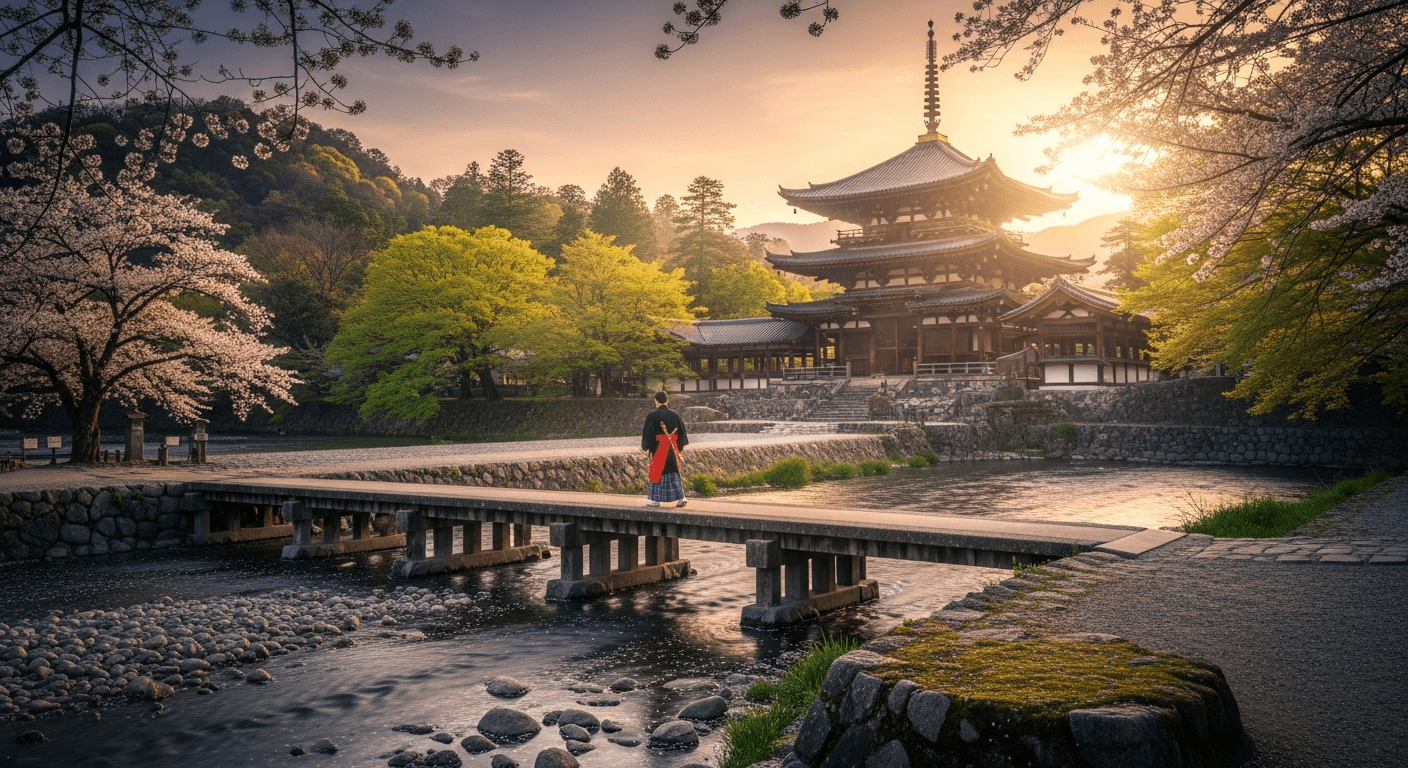
Japan: Why Travelers Keep Coming Back to These 20 Places
The first time you see Japan, it arrives like a dream someone else dreamed for you. There's a sensation of recognition without familiarity—as if centuries of visual language have already prepared your eyes for what they're about to witness. A temple emerges from morning mist with the inevitability of a thought becoming visible. A train announcement chimes in four notes that feel like poetry translated into sound. And then you understand why people don't simply visit Japan. They become pilgrims to it, returning again and again, mapping new routes through the same geography, discovering that depth doesn't require distance.
What draws travelers back isn't what fits into a postcard. It's the texture of encounters—the precision of a tea master's hand, the particular silence of a garden at dusk, the way autumn light hits temple wood and suddenly makes you understand why seasons have seasons. Japan rewards the curious with the gift of endless return: the same street reveals itself differently when you know where to turn, when you've learned the rhythm of crowds, when you've sat long enough to stop looking and start seeing.
1. Kyoto's Temple Gardens
The gardens demand patience—a currency most travelers spend too freely. When you stop rushing and settle into a wooden bench for twenty minutes, the garden stops performing and simply exists. Ryoanji's rock garden becomes less about the stones and more about the spaces between them, about what your own mind fills in. Come in early June for the hydrangeas at Hasedera, or January for the temple grounds nearly empty, frost turning gravel silver.
The photograph nobody gets: Arrive at Fushimi Inari shrine at 6 a.m., when the torii gates create tunnels of crimson and the only sounds are your footsteps and birdsong.
2. Tokyo's Shibuya Crossing at Twilight
The romantics get it wrong. Shibuya Crossing isn't chaos—it's orchestrated rhythm. Watch from the Starbucks above for ten minutes and you'll see it: the way pedestrians move like a single organism that's somehow also a thousand individual decisions. Come at 5:47 p.m., when office workers and students create a density that feels like standing inside an idea of humanity itself.
What to notice: The way people pause at the edge before stepping into the crossing, a moment of collective breath before the step into the street.
3. Hiroshima's Peace Memorial Park
Some places demand respect before beauty. The park sits heavy with purpose, each element—the Cenotaph, the Memorial Museum, the eternal flame—arranged with deliberate intention. Visitors move differently here, more quietly, as if the ground itself has taught them to listen. Visit in the morning when light is gentler and the space feels less like a destination and more like a garden of thought.
Travel with intention: Spend time with the museum's personal artifacts—letters, watches, shoes. The scale of history becomes human when you see it reflected in small, particular objects.
4. Takayama's Morning Markets
Market days in this mountain town reveal what Japanese regional pride looks like: produce arranged with impossible care, vendors who've been selling from the same family stall for forty years, locals who come for gossip as much as groceries. The energy is intimate, unhurried. You're watching tradition that isn't performed for cameras but simply lived.
Best observed: Arrive hungry. Taste miso from three different makers. Talk to someone. Takayama residents are generous with visitors who take time seriously.
5. Mount Fuji from Hakone
The mountain itself remains aloof, appearing only when it chooses. Rather than resenting this, embrace it—come to Hakone to understand why Japan has spent centuries writing poems about something you might not see. Visit the open-air museums, soak in the onsen with attention rather than haste, and if Fuji reveals itself, let the moment surprise you rather than reward you.
Photography truth: The best images of Fuji are taken with your eyes closed, held in memory rather than pixels.
6. Naoshima's Art Island
This small island in the Seto Inland Sea chose art as its philosophy. Museum architecture dissolves into landscape, sculptures emerge from fields, and contemporary creation coexists with tradition without irony. There's something about an island removed from constant connectivity that makes art feel necessary rather than decorative.
Timing matters: June is quiet and tender. October brings crowds but also clarity. Stay overnight—the island transforms at sunset when day-trippers leave.
7. Kanazawa's Geisha District
Geisha are not cultural entertainment. They're masters of a discipline that requires decades of training. Watch them hurrying through Higashi Chaya district in the golden hour before evening appointments, and you're witnessing professionals moving through their world with the unselfconsciousness of anyone doing what they've trained to do expertly. Respect this distinction.
The real experience: Don't book a geisha performance. Instead, eat dinner at a traditional restaurant in the district, and let culture happen around you authentically rather than orchestrated for your benefit.
8. Arashiyama's Bamboo Grove
Yes, it's crowded. Yes, it's famous. And somehow, when you move past the selfie-stick perimeter and deeper into the grove where light filters through stalks that tower like a living architecture, you understand why. The bamboo creates an acoustic peculiarity—sound becomes absorbed and diffused, leaving you in a bubble of quietness despite the crowds. Go at 7 a.m., when the grove still belongs mostly to itself.
Technical tip: The best photographs happen in shade, where light becomes texture rather than exposure problem.
9. Koyasan's Buddhist Monastery
High in the mountains, this monastery community offers shukubo (temple accommodation) where you can sleep where monks sleep and wake for early prayers in a language you don't understand but somehow comprehend. There's something about maintaining silence, about participating in rhythm rather than observing it, that recalibrates what travel means. You're not a visitor here—you're a temporary resident in another way of being.
Before arriving: Check your expectations. This is meditation practice, not hospitality service.
10. Nauru's Waterfalls
The waterfall district in Oku-Iya offers a landscape so green and spiraling with water that it feels like the earth decided to show its emotion. Hiking between waterfalls, your senses adjust to white noise, mist, the smell of stone and growing things. This is where Japan's landscape becomes less about refinement and more about raw abundance.
Solo practice: Find one waterfall and stay there for an hour. Notice how your perception shifts as you stop actively observing and start quietly receiving.
11. Osaka's Street Food Markets
Where Kyoto is temple and Tokyo is precision, Osaka is appetite made visible. Dotonbori glitters with neon and possibility—takoyaki, okonomiyaki, ramen, the smell of frying and braising and simmering. There's joy here that's unabashedly sensory, uninterested in aesthetic restraint. Come hungry. Come ready to abandon the idea that you need a plan.
Discover by wandering: The best stalls aren't the famous ones—they're the places where locals are queuing.
12. Otaru's Canal at Night
This port town's canal transforms at dusk into something cinematically nostalgic—stone warehouses reflected in dark water, gas lamps casting amber pools. There's melancholy here, a sense of history as something lived rather than curated. Walk slowly. Let the silence of the Hokkaido evening settle around you.
Quiet recommendation: Skip the tourist restaurants overlooking the canal. Walk further into the residential streets where the atmosphere persists without the performance.
Local Navigation: How Japan Rewards Intention
Getting between these places requires patience with logistics but rewards you with observation. Buy a JR Pass if you're traveling extensively, but understand that limited express trains mean you'll see the landscape transition gradually rather than waking up somewhere new. Neighborhoods reveal themselves differently depending on where you stay—choosing accommodation in residential areas rather than tourist centers changes how the city treats you. You become less a visitor passing through and more someone who lives temporarily.
Timing requires intuition. The "best time to visit" changes depending on what you're seeking. Cherry blossom season brings crowds but also collective joy that's worth experiencing once. Autumn offers clarity and space. Winter in northern Japan feels like being inside a snow globe. Summer's humidity and heat are tests that, when endured, deepen appreciation for autumn.
Etiquette isn't about rules—it's about recognizing that you're moving through spaces where precision and respect are languages spoken fluently. Remove shoes where shoes shouldn't be. Sit quietly in temples without narrating what you're seeing to companions. When eating, eat with attention rather than distraction. These aren't restrictions. They're invitations to participate rather than observe.
Charting Your Movements
On Touratu's interactive map, you'll find routes that weave through these locations as travelers have actually experienced them—real journeys marked with photography moments, local reels that capture atmosphere, and visual discoveries that reveal why certain places haunt travelers long after departure. Follow the paths others have traced, then trust yourself to find variations that feel personal.
Why We Return
Japan doesn't reveal itself all at once. It reveals itself through repetition, through the willingness to sit in the same garden twice and notice what's different about yourself rather than what's different about the garden. Travelers return because the country has somehow trained them to see that depth isn't located in distance—it's found in attention. In the space between what you expected and what you discovered. In the garden that teaches you to be quiet. In the mountain that sometimes chooses not to appear. In the morning you arrive before the crowds and briefly hold a city entirely to yourself.
Come once, and you come home changed. Come twice, and you begin to recognize what home-feeling tastes like. Come again, and you might finally understand: you're not returning to Japan. You're returning to a version of yourself you became here.
Loading activities…
