
Top 10 places to Visit in India
Top 10 Places to Visit in India: A Practical Guide for First-Timers and Repeat Travellers
India doesn't ease you in gently. It throws colour, chaos, ancient temples, and honking traffic at you all at once. With 29 states, 22 official languages, and landscapes ranging from Himalayan peaks to tropical beaches, narrowing down a list feels almost absurd. But after years of criss-crossing this country, some places consistently deliver—whether you're chasing history, nature, spirituality, or just good food.
Here's a grounded look at ten places worth your time.
1. Varanasi, Uttar Pradesh
What it is: One of the world's oldest continuously inhabited cities, sitting on the banks of the Ganges.
Why visit: This is India at its most intense. Death, life, faith, and commerce happen simultaneously along the ghats. The evening Ganga Aarti ceremony draws thousands, but the early morning boat rides reveal the city's quieter rhythms—cremations, yoga practitioners, washermen, pilgrims taking ritual dips.
What to expect: Narrow lanes that seem designed to confuse, persistent touts, and moments of unexpected stillness. It's not comfortable, but it's unforgettable.
Time needed: 2-3 days
2. Jaipur, Rajasthan
What it is: The "Pink City" and gateway to Rajasthan's desert culture.
Why visit: Amber Fort alone justifies the trip—a sprawling hilltop complex with mirror-work ceilings and courtyards that photograph beautifully at any hour. The City Palace remains a functioning royal residence. Hawa Mahal's honeycomb facade has become iconic for good reason.
What to expect: Aggressive gem shop redirects, especially if you're using local guides. Heat that becomes serious from April onwards. Excellent street food—try pyaaz kachori for breakfast.
Time needed: 2-3 days
3. Kerala Backwaters
What it is: A 900-kilometre network of lagoons, lakes, and canals lined with coconut palms.
Why visit: Houseboat stays offer a genuinely different pace. You'll drift past village life—toddy tappers climbing palms, fishermen casting nets, children waving from banks. Alleppey (Alappuzha) is the main hub, though Kumarakom feels slightly less commercialised.
What to expect: Houseboats range from basic to absurdly luxurious. Mosquitoes are inevitable. The food onboard—typically fish curry with rice—is simple and excellent.
Time needed: 1-2 nights on the water, plus travel days
4. Ladakh
What it is: A high-altitude desert region in India's far north, bordering Tibet and Pakistan.
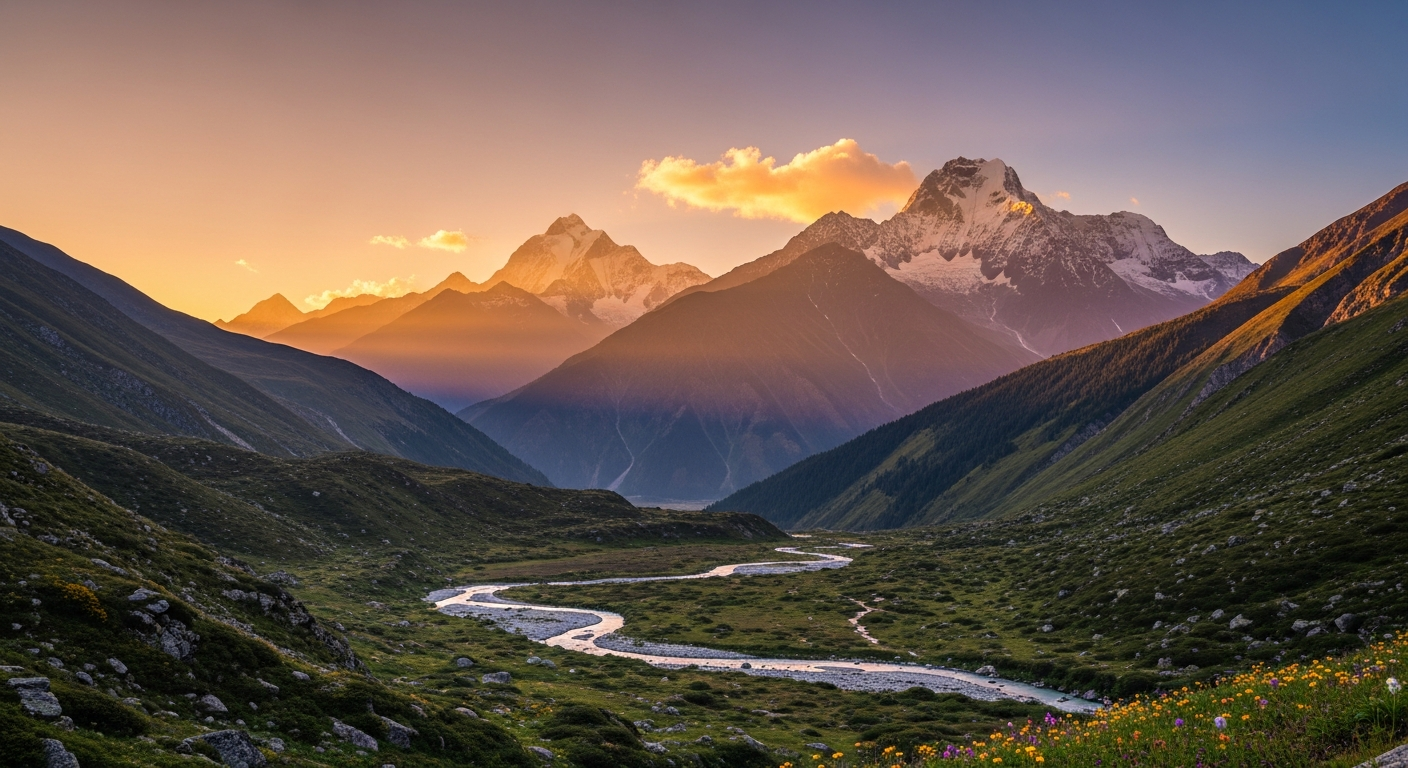
Why visit: The landscapes here don't look real—brown mountains against impossibly blue skies, turquoise lakes at 4,500 metres, ancient Buddhist monasteries clinging to cliffsides. Pangong Lake and Nubra Valley draw most visitors, but the monasteries around Leh (Thiksey, Hemis, Diskit) deserve equal attention.
What to expect: Altitude sickness is common; plan at least two acclimatisation days in Leh. Roads close from October to May. Permits required for certain areas.
Time needed: 7-10 days minimum
5. Hampi, Karnataka
What it is: The ruined capital of the Vijayanagara Empire, scattered across a boulder-strewn landscape.
Why visit: It's surreal—temple complexes, royal enclosures, and carved pavilions emerge from terrain that looks like a giant's playground. Rent a bicycle or moped to cover the spread-out sites. Sunrise at Matanga Hill offers views across the entire archaeological zone.
What to expect: Limited infrastructure despite UNESCO status. Basic guesthouses cluster across the river in Virupapur Gaddi. Gets extremely hot from March onwards.
Time needed: 2-3 days
6. Goa
What it is: India's smallest state, known for beaches, Portuguese heritage, and a laid-back atmosphere.
Why visit: Beyond the party reputation, Goa has genuine character. Old Goa's churches (including the Basilica of Bom Jesus) reflect 450 years of colonial history. North Goa beaches (Anjuna, Vagator) attract backpackers and weekend crowds; South Goa (Palolem, Agonda) stays quieter. The food blends Konkani and Portuguese influences—fish curry rice, bebinca, and vindaloo that predates British curry houses.
What to expect: Peak season (November-February) means crowds and higher prices. Monsoon (June-September) shuts most beach shacks but brings dramatic scenery.
Time needed: 4-7 days
7. Rishikesh and Haridwar, Uttarakhand
What it is: Twin towns on the Ganges, considered the yoga capital of the world and an important Hindu pilgrimage site respectively.
Why visit: Rishikesh draws those seeking yoga courses, meditation retreats, and rafting on the Ganges. The Beatles Ashram (now officially Rajaji Tiger Reserve's Chaurasi Kutia) has reopened and makes for an interesting wander. Haridwar's evening aarti at Har Ki Pauri feels less tourist-heavy than Varanasi's version.
What to expect: Rishikesh is strictly vegetarian and alcohol-free. Quality of yoga schools varies wildly—research beforehand.
Time needed: 3-5 days
8. Udaipur, Rajasthan
What it is: A lake city often called the "Venice of the East" (a stretch, but scenic nonetheless).
Why visit: The City Palace complex is massive and genuinely impressive. Lake Pichola views—especially at sunset—deliver the romance Rajasthan tourism promises. It's more relaxed than Jaipur, with better rooftop restaurants and a walkable old city.
What to expect: Lakes can dry up significantly in summer. Touts are present but less aggressive than Jaipur.
Time needed: 2-3 days
9. Darjeeling, West Bengal
What it is: A hill station at 2,000 metres, built by the British as a summer retreat.
Why visit: Tea estates carpet the hillsides, and the toy train (a UNESCO World Heritage railway) chugs through town. On clear mornings, Kanchenjunga—the world's third-highest peak—dominates the horizon. The Tibetan refugee community adds another cultural layer.
What to expect: "Clear mornings" are rare during monsoon (June-September). The town itself is congested; the views are beyond it.
Time needed: 2-3 days
10. Rann of Kutch, Gujarat
What it is: A vast salt marsh that becomes a white desert during dry season.
Why visit: The White Rann stretches to the horizon—surreal and photogenic, especially during full moon nights. The Rann Utsav festival (November-February) adds cultural performances and organised camps. Beyond the salt flats, Kutch district has distinctive textiles, tribal villages, and the ancient Dholavira ruins.
What to expect: Extremely hot except in winter months. Permits required for areas near the Pakistan border.
Time needed: 2-3 days
Planning Tips
- Distances are deceptive. A "short" 200-kilometre journey might take 6 hours. Build buffer days.
- Trains remain the best way to cover ground. Book through the official IRCTC site; sleeper class is fine for overnight journeys.
- Domestic flights have become affordable. IndiGo and SpiceJet connect most major destinations.
- Shoulder seasons work. October-November and February-March avoid peak crowds and extreme weather in most regions.
- Carry cash in smaller towns. UPI works widely, but ATMs can be unreliable.
Quick Facts
- Best overall months: October to March (varies by region)
- Visa: E-visa available for most nationalities
- Budget range: ₹1,500-5,000/day covers accommodation, food, and local transport comfortably
- Language: English works in tourist areas; Hindi helps in the north
- Health: Carry basic medication; drink bottled water
India rewards patience and punishes rigid itineraries. Start with a few places, go deeper rather than wider, and accept that you'll return.
For mapping out your own routes and watching travel videos from these destinations, check out Touratu's interactive map—it's useful for visualising distances and discovering lesser-known stops between the big names.
Loading activities…
