
Ukraine's 20 Best Places to Visit Again
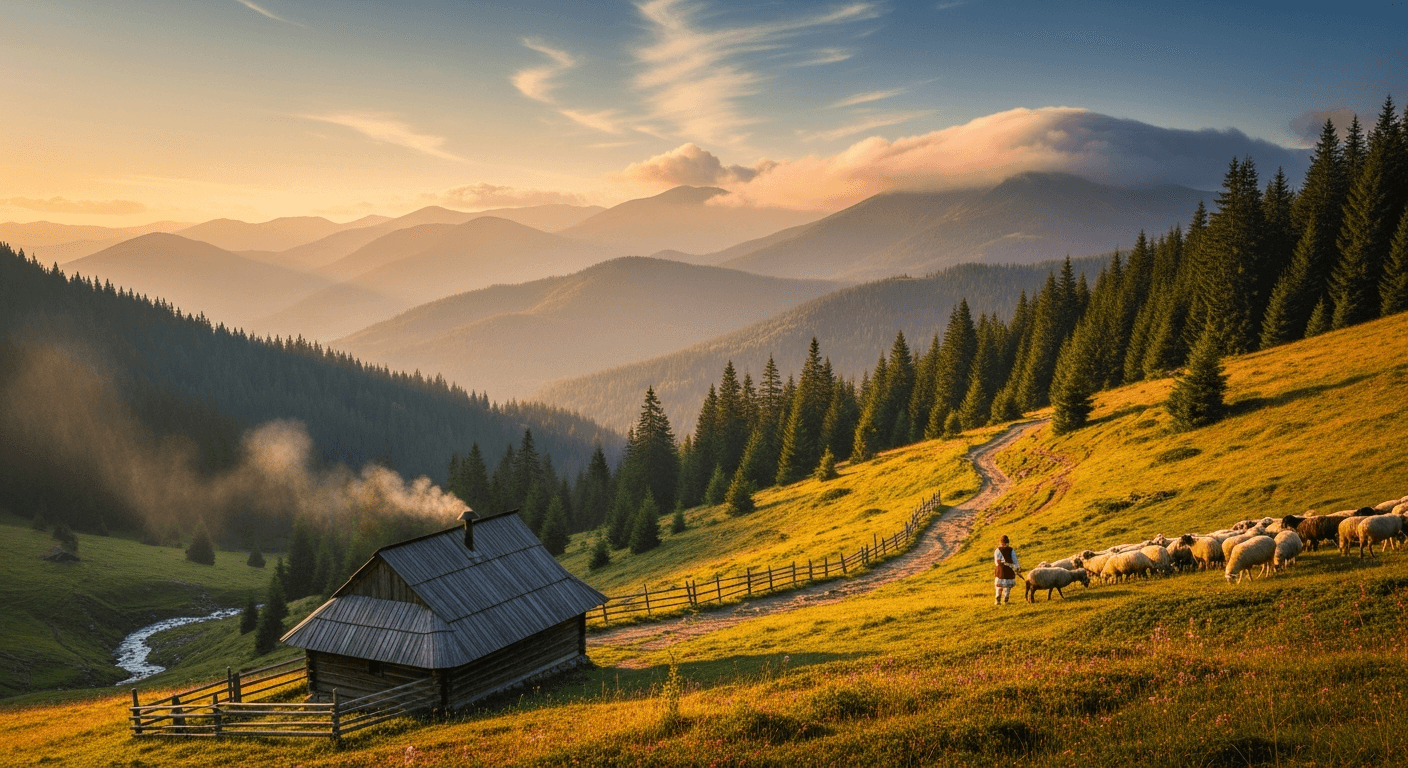
Why Travelers Keep Coming Back to These 20 Places in Ukraine
There's a particular quality to light in Ukraine that photographers chase and poets remember. It's golden without being sentimental, soft without being weak—the kind of light that makes ordinary street corners feel like they're telling stories you've never heard before. When you arrive in Kyiv after dark and see the Dnieper River catching the city's glow, or when you step into a provincial town where time moves differently, you understand why people come back. Not once, but repeatedly. Not to tick boxes, but to inhabit the spaces between moments.
Ukraine reveals itself slowly to travelers who pay attention. It's not a destination that seduces you on first sight with Instagram aesthetics. Instead, it settles into you—through conversations over borscht in old cafés, through the particular sadness and resilience in a stranger's eyes, through architecture that whispers about empires that rose and fell. This is why travelers return: because Ukraine contains contradictions that feel true, and because there's a hunger here, both literal and spiritual, that travelers recognize in themselves.
The Places That Keep Calling You Back
Kyiv's Pedestrian Underpass Art Scene
There's something beautifully defiant about descending into Kyiv's underpasses—those Soviet-era tunnels beneath bustling streets—and finding them transformed into impromptu galleries. Young artists have claimed these concrete chambers, covering walls with murals that range from political statements to pure color symphonies. The underpass becomes an equalizer: oligarchs and students, tourists and commuters, all compressed into the same space, forced into the same rhythm. Best explored on weekday mornings when the light filters strangely through entrance grates. Bring a good camera for the shadows; they're as important as the art itself. The underpasses near Maidan Square and along the metro system are most active. Download the map beforehand—navigation is intuitive but disorienting the first time.
St. Michael's Golden-Domed Monastery, Kyiv
The gold doesn't overwhelm; instead, it hums with a particular kind of quietness that gold shouldn't possess. Perched above the Dnieper, this 12th-century monastery exists in a state of gentle defiance, its azure walls and gilded domes creating a color combination that feels almost invented. Inside, the light through narrow windows catches dust particles in a way that transforms them into something sacred. Pilgrims and tourists coexist here in silent negotiation. Best visited at dawn or just after the 5 PM liturgy ends, when the space still holds prayer but becomes more contemplative. The acoustics in the main cathedral are extraordinary—even whispers seem to acquire weight and intention. Winter visits reward you with emptier rooms and longer shadows.
Lviv's Old Town Labyrinth
Lviv isn't trying to charm you. It's too busy being itself—a city where cobblestone streets narrow without warning, where windows burst with flower boxes, where cafés exist half-underground and feel like they're keeping secrets. The old town's layout resists mapping; you'll get productively lost in a way that feels less like confusion and more like surrender. Every corner reveals something: a church hidden in plain sight, a courtyard where silence deepens, a bookshop that smells like the 1960s. Wander during afternoon hours when the light becomes geometric, slanting across stone at angles that photographers spend careers chasing. The Armenian Cathedral, the Dominican Cathedral, the Town Hall Square—they're all here, but the real experience is the in-between spaces, the transitions, the moments between destinations.
Pripyat's Frozen Time
This abandoned Soviet city exists in a state of permanent pause, a place where nostalgia means something different because it's involuntary. Chornobyl Exclusion Zone tours bring visitors to Pripyat, where apartment buildings still contain personal objects, where a fairground stands permanently unfinished, where nature is slowly reclaiming what humans hastily abandoned. It's not entertainment; it's archaeological meditation. The experience demands respect and creates a particular kind of reflection that stays with travelers long after they've left. Tours operate daily with different radiation routes and group sizes. Spring and autumn light quality is superior. This isn't a place for casual photography—the weight of the location demands intention. Licensed tour operators are mandatory; ignore this and you miss the human contextualization that transforms this from morbid tourism into genuine historical reckoning.
Odesa's Seaside Promenade at Golden Hour
The Black Sea here doesn't roar; it murmurs in a Slavic accent, touching a promenade that's equal parts European elegance and faded Soviet grandeur. Odesa's Potemkin Steps descend toward the water in a way that feels both inevitable and surprising each time you experience it. The city itself is a character—flirtatious, slightly melancholic, perpetually itself. Afternoon strolls along the promenade, when the light turns everything amber, are where Odesa's peculiar charm crystallizes. The older residents still remember when this was Soviet Moscow-by-the-Sea; the younger ones are writing something different. Cafés spill onto the pedestrian walkway. The sea breeze carries salt and conversation. Best experienced without agenda, allowing hours to dissolve.
Kamianets-Podilskyi's Fortress Citadel
This fortress doesn't announce itself; it's discovered around a bend, suddenly there, surrounded by a river that's carved its own perspective on time. The old town spirals upward in concentric circles, medieval streets climbing toward the citadel that dominates without aggression. The view from the top encompasses three centuries of architecture looking at each other across courtyards and plazas. The experience is less about historical facts and more about the sensation of standing where thousands of people have stood, each generation reinterpreting the same view. Arrive late afternoon when tour groups have departed and the stone cools. The old town below becomes a maze worth getting lost in—bakeries, antique shops, tiny museums.
Mykolaiv's Shipyard Museum Complex
Not all memorable places are beautiful in the traditional sense. Mykolaiv's shipbuilding heritage lives in an enormous museum complex that documents Soviet maritime achievement and post-Soviet adaptation. The scale is overwhelming—massive models of ships, machinery that suggests human ambition at an industrial scale. What strikes visitors is the quiet pride mixed with honest acknowledgment of what's been lost. This is Ukraine's working history, not its decorative past. The museum staff offers context that transforms metal and blueprints into human stories. Winter visits are particularly contemplative.
Bukovel Mountain Village
Rising in the Carpathians, Bukovel has transformed itself into a Alpine destination without losing its village character. Cable cars ascend through forests that shift color with seasons. The village itself remains fundamentally unchanged—small cafés, local families, the particular slowness of mountain living—while tourism infrastructure now coexists alongside traditional rhythms. Summer hiking and winter skiing attract visitors, but the real experience is the transition between seasons, when the mountains feel negotiated rather than conquered. Accommodation ranges from rustic to contemporary.
Khotyn Fortress on the Dniester
This fortress rises from riverside bluffs with the kind of presence that makes photographs seem inadequate. Built and rebuilt across centuries by various empires, it contains their contradictions in stone. The Dniester River curves around it like a moat that time forgot to fill. Walking the ramparts provides views that stretch into Moldova. The scale is human-sized, not overwhelming—you can walk it thoroughly in a few hours, but you'll likely linger longer. Sunsets from the upper walls are particular here, the light finding angles that feel specifically choreographed for this location. Winter silences it completely.
Chernivtsi's Austrian Quarter Architecture
This city at Ukraine's southwestern edge contains architecture that whispers of Vienna and Budapest. Austro-Hungarian influence lives in every pastel-colored façade, every ornate window frame, every café bearing the aesthetic of empires that no longer exist. Wandering the Austro-Hungarian quarter feels like moving through a historical moment that was never quite finished—abandoned but not destroyed, displaced but still present. The university buildings are extraordinary; ask locals for tours. Photography here rewards architectural attention.
Tunnel of Love, Klevan
This isn't a natural wonder but a human one—a section of railway line where trees have grown so densely overhead that they've created a genuine tunnel of vegetation. Couples walk through it annually; photographers return repeatedly for the light quality and romantic geometry. The experience is straightforward: walk the rails, observe how nature and infrastructure negotiate space, understand why this particular conjunction of elements creates meaning. Best visited in early summer when the green is most intense. Go on weekdays to avoid crowds. The village of Klevan nearby offers basic services.
Dnipro's Riverside Museums and Galleries
Dnipro's position on the Dnieper River makes it a fulcrum point for understanding Ukraine's geography and character. The city itself is less visited than Kyiv or Lviv, which means museums and galleries operate without the tourism machinery that can dilute experience. The Art Museum contains Ukrainian contemporary work worth serious attention. Walk the embankment and understand how a river shapes civic identity. The city has an honesty that larger destinations sometimes obscure.
Moving Through Ukraine: Essential Rhythms
Transport in Ukraine operates on a logic that becomes clear once you surrender to it. Buses between cities are frequent, affordable, and window-quality matters—sit on the side where light comes from, and watch landscapes become your document. Trains move slower but feel more temporally appropriate for understanding distance. Kyiv's metro is functional art, each station designed differently, moving through the city vertically as well as horizontally.
Neighborhoods reveal themselves to different rhythms than tourist maps suggest. Podil in Kyiv feels residential even as cafés multiply; visit for coffee at 4 PM when locals arrive post-work. Lviv's neighborhoods shift from commercial to residential block by block; wandering establishes your own map. Odesa's logic is promenade-first; orient yourself to the Black Sea and the city organizes itself around you.
Timing matters differently here than in other destinations. Early mornings belong to locals—markets come alive with genuine commerce before tourists arrive. Late afternoons offer light and temporary solitude. Winter isn't off-season so much as a different season, offering clarity and emptiness that summer crowds obscure.
Etiquette is simple: churches and monasteries require modest dress; speaking Russian versus Ukrainian depends on location and context (ask locals); photography in certain historical sites demands permission. Ukrainians appreciate directness; oblique politeness confuses rather than respects.
Exploring Routes and Connections on Touratu's Map
The real discovery comes from understanding how these places connect to each other—how a route from Kyiv westward to Lviv creates its own narrative, or how the Carpathian region clusters experiences that enhance each other. On Touratu's interactive map, you can trace traveler routes that reveal these connections, examine reels showing others' discoveries, and build your own visual understanding of how Ukraine's geography and character intersect.
Why People Return
Ukraine doesn't offer easy satisfaction. It doesn't coddle travelers with Instagram moments or simplified narratives. Instead, it offers complexity—historical layers that resist resolution, landscapes that change with light, people whose stories contain contradictions that feel true. Travelers return not because they've seen everything, but because they've felt something that keeps requiring understanding. The country contains itself in ways that demand multiple visits, and that's exactly why people come back.
