
The Touratu Guide to
Cyprus
Explore Cyprus
UPDATED AUGUST 11, 2026
Explore Cyprus Travel Map & Highlights
Cyprus Brief
Cyprus is a Mediterranean island nation known for its golden beaches, ancient archaeological sites, and laid-back lifestyle. Located at the crossroads of Europe, Asia, and Africa, it offers diverse experiences from coastal resorts to mountain villages and UNESCO World Heritage sites.
• Capital: Nicosia • Currency: Euro (EUR) • Official Language: Greek • Main Religion: Greek Orthodox Christianity • Best Months: April–May, September–October • Average Weather: Hot, dry summers (28–35°C); mild winters (10–15°C) • Famous Tourist Cities: Paphos, Limassol, Larnaca, Nicosia • Time Zone: Eastern European Time (EET, UTC+2) • Visa Note: EU/EEA citizens enter freely; others check current requirements • Popular Experiences: Beach swimming, hiking Troodos Mountains, exploring Kourion ruins, visiting traditional villages, windsurfing
Activities
GYG Activities List
Loading activities…
Stories About Cyprus
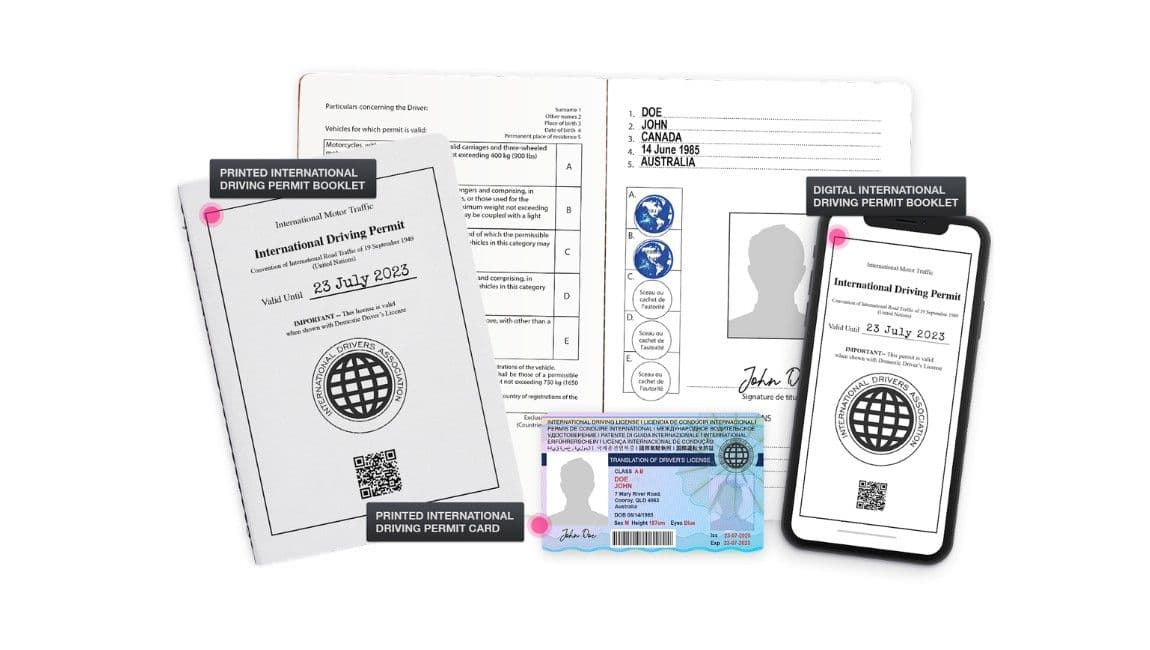
International Driving Permit (IDP): Everything Travelers Need to Know Before Driving Abroad
Planning to rent a car on your next international trip? An International Driving Permit (IDP) can save you from unexpected problems at rental counters and police checkpoints. Learn everything you need to know before driving abroad.

Cyprus Travel Guide: Explore Beaches, History, Mountains & Hidden Gems Before You Travel
Cyprus is a Mediterranean island destination offering beautiful beaches, ancient archaeological sites, mountain villages, traditional cuisine, and outdoor adventures. Explore Paphos, Limassol, Nicosia, Ayia Napa, Larnaca, Troodos Mountains, and Akamas Peninsula while enjoying history, nature, beaches, and local culture. Touratu helps travelers explore Cyprus before visiting through interactive maps, narrated destination guide videos, hotel discovery, curated experiences, and practical travel planning resources.
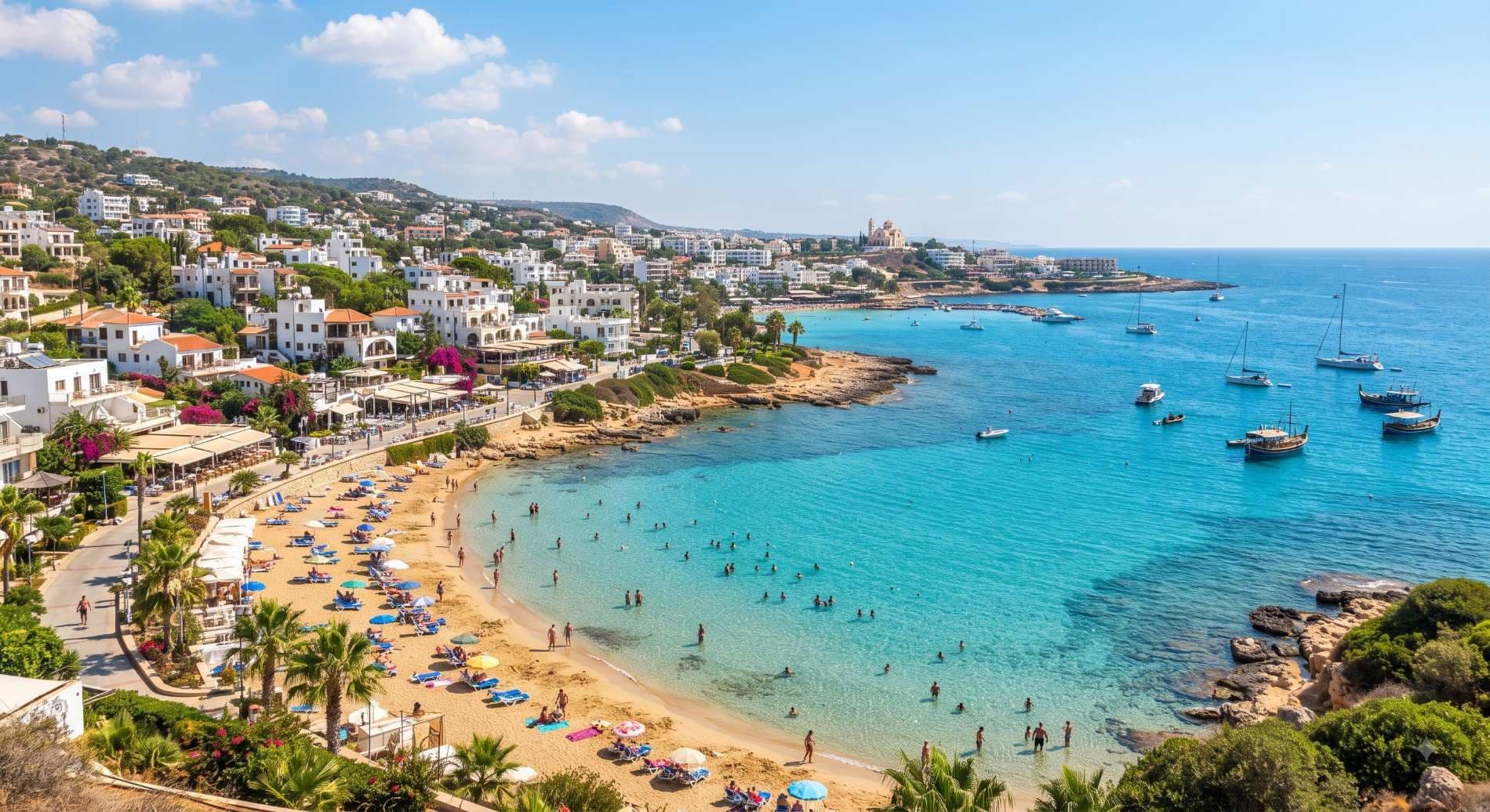
Paphos Cyprus: Ancient Ruins & Coastal Escapes
Paphos is a historic coastal city in Cyprus known for ancient ruins, archaeological treasures, beautiful beaches, seaside promenades, and Mediterranean culture.
Frequently Asked Questions About Cyprus
Everything you need to know before visiting Cyprus
